
Latest Products



Contact Us
- Jinan City, Shandong Province
- scarlett@jyh-steel.com
- +8613153179337. whatapp:+8613153179337
What is Stainless Steel Pipe
Stainless steel pipe is primarily used in piping systems for the transport of fluids or gases. We manufacture steel pipe from a steel alloy containing nickel as well as chromium, which give stainless steel its corrosion-resistant properties.
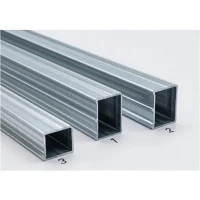
 Square Stainless Steel Pipe
Size: 10×10-100×100 mm. Outer Diameter: 6-610mm. Thickness: 0.5-30mm. Length: 1-6 meter or customized. Shape: Round, Oval, Square, Rectangular
Add to Inquiry 304 Stainless Steel Pipe
Technology: Hot Rolled / Cold Rolled. Material: Stainless Steel. Packing: Standard Sea-worthy Packing. Outer Diameter: 6-610mm. Thickness: 0.5-30mm. Length: 1-6 meter or customized
Add to Inquiry 304L Stainless Steel Pipe
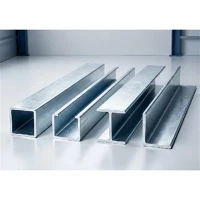
Section Shape: Round/ Square/ Other. Main Use: Scaffolding, Structure, Fence, Furniture. Outer Diameter: 6-610mm. Thickness: 0.5-30mm. Length: 3m, 6m, 12m, or Customized
Add to Inquiry Thick Wall Stainless Steel Pipe
Outer Diameter: 6-610mm. Thickness: Customized. Length: 3m, 6m, 12m, or Customized. Technique: Cold Rolled. Diameter: 0.5mm-150mm
Add to Inquiry 304 Seamless Pipe
Outer Diameter: Seamless: 17-914mm 3/8-36 LSAW 457-1422mm 18-56. Wall Thickness: 2-60mm SCH10 SCH20 SCH30 STD SCH40 SCH60 XS SCH80, SCH100 SCH120 SCH140 SCH160 XXS. Length: Single random
Add to Inquiry Stainless Steel Seamless Pipes
Model NO: Q235B, SS400, A36, ST37-2, S235JR, S275JR Q345B. Surface Treatment: Bright. Processing Service: Bending, Welding, Punching, Cutting. Length: 3m, 6m, 12m, or Customized
Add to Inquiry 316 Stainless Steel Seamless Pipe
Type: Stainless Steel Pipes. Standard: ASTM, AISI, GB, JIS, DIN, EN. Thickness: Customized. Length: 3m, 6m, 12m, or Customized. Technique: Cold Rolled. Diameter: 0.5mm-150mm
Add to Inquiry 201 Stainless Tube
Material: Stainless Steel. Processing Service: Bending, Welding, Punching, Cutting. Surface Treatment: Bright. Thickness: Customized. Length: 3m, 6m, 12m, or Customized. Technique: Cold Rolled.
Add to Inquiry
Stain and corrosion resistant
Corrosion is the main enemy of metal piping. The outer surface of steel, iron and concrete piping can degrade from soil and UV light. Interior walls of piping made from other materials will tend to rust, are damaged through abrasion, or accumulate debris. But thanks to the corrosion resistance properties of stainless steel, this is far less common. This gives stainless steel the edge when it comes to applications like sanitary water delivery or hospital applications.
Value
When you use stainless steel pipes, you are buying a durable product that will last your business for decades. It is a reliable material that is easy to maintain and install. Stainless steel is low-maintenance, and due to its corrosion-resistant properties, it is unlikely they will need to be replaced for decades.
Strength and versatility
Different materials such as nickel, molybdenum, or nitrogen can be added to stainless steel to enhance its corrosion-resistant properties. Stainless steel can handle extreme temperatures. By adding different materials to stainless steel allows for thinner pipe walls and less material which means less added weight to the finished product making it ideal for many commercial and industrial uses.
Appearance
Exposed stainless steel pipe and fittings are an excellent choice for commercial establishments as the material has a naturally shiny and elegant look.
Environment-friendly
Stainless steel is not a petroleum product. In fact, it doesn't need to be coated or lined with any materials at all, unlike other piping materials. When you need to replace or dispose of stainless steel piping, it is 100% recyclable, reducing the environmental impact. As much as 50% of all new stainless steel that is produced in the United States is made from recycled scrap metal.
Thanks to its versatility and durability, stainless steel is known for being a “miracle metal” that is used for countless commercial and industrial applications.
Why Choose us
Professional service
We can accept factory inspection and goods inspection at any time. Technical discussion, research and development of new products, and complete after-sales service.
Speed
Our organization is streamlined for fast turnaround on orders and immediate response to emergencies or unexpected opportunities.
Fantastic customer service
Nothing is more important to us than customer satisfaction. With our ‘can-do attitude’ we ensure our customers’ expectations are exceeded at all times – from delivering great solutions on time to providing advice and resolving queries as quickly as possible.
Quality and satisfaction
We guarantee quality and satisfaction on all of our projects. Although we deliver the most professional content on the first try, this guarantee gives you the peace of mind that you are entitled to free unlimited revisions until it reaches the point where you are happy with it.
Types of Stainless Steel Pipe
Austenitic Stainless Steel Pipe: Stainless steel pipe is available in different austenitic grades including 303, 304, 310, 316 and 321 that vary in chemical composition and properties. These grades are most common grades that has higher amount of nickel, molybdenum and chromium content. These versatile grades offer exceptional malleability, tensile strength and anti-corrosiveness features. These austenitic grades of Stainless steel pipe offer exceptional creep resistance and resistance to pitting, and crevice corrosion. These stainless steel grades, 304, 316, 321 are further classified according to the carbon content. Stainless Steel Pipe offer exceptional toughness at elevated as well as cryogenic temperatures.
Ferritic Stainless Steel Pipe: This grade pipe is one of the most economical due to its less nickel content. Ferritic grades contain molybdenum, chromium, titanium, niobium and other elements that offer excellent creep resistance and toughness even in aggressive environments. Most of these Stainless Steel Pipe grades are magnetic and offer excellent weldablity. Ferritic grades of Stainless steel pipe include 430 and 410 grades that offer remarkable resistance to corrosion, oxidation and stress corrosion cracking.
Duplex Stainless Steel Pipe: These pipes have combines properties of austenitic and ferritic grades that make it stronger and one of the most widely used grades. Duplex Stainless Steel Pipe is lightweight and resistant to corrosion. Due to this feature, this pipe is suitable for marine applications. Stainless steel Pipe offer excellent tensile strength, and easy formability features. Duplex stainless steel grades include 2304, 255, 2205, and super duplex 2507 etc.
Martensitic & Precipitation Hardening Stainless Steel Pipe: This pipe is similar to ferritic but has elevated carbon content. Stainless steel pipe with martensitic grade are used in applications that require hardened edge. Due to excellent hardening and tempering features this grade is used in medical instruments. Stainless steel Pipe is available in grades like 410 and 420.
5 Tips For Cleaning Stainless Steel Pipe
Routine Cleaning
To carry out routine cleaning of stainless steel pipe, you can clean them with soap, mild detergent, or ammonia solutions in warm water. You can apply any of these agents with a soft cloth or nylon sponge. After this, you need to rinse and dry it with a soft cloth. It helps to remove ordinary soiling. While cleaning stainless steel, use mild non-scratching abrasive powders, and avoid using standard carbon steel brushes or steel wool. It can leave articles embedded on the surface, which can trigger rusting.
Solvent Cleaning
You can use organic solvents to remove stains that are fresh and have not yet oxidized or decomposed. The solvent should not contain chlorine, like acetone, methyl alcohol, and mineral spirits. You can immerse smaller articles into the solvents or use the vapor cleaning method to control the discharge of solvents. Wipe it post-cleaning.
For Moderate Soiling
You can use a mild abrasive cleaner for moderate soiling and light staining and use a soft cloth, nylon scouring pad, or a soft bristle brush. In the direction of the polished finish, use the material to make long, even strokes. You need to avoid using a circular rubbing action. After you clean it, you need to rinse and dry-wipe to complete the process and remove water stains.
For Heavier Soiling
For more intense staining and heavy soiling, you can use ammonia solution or warm/hot detergents. You can also use acidic cleaners and follow the cleaning procedures mentioned for moderate soiling.
Passivating Treatment
To maximize the corrosion resistance capability of stainless steel and remove surface contaminants, you can use the passivation treatment. First, you need to clean the stainless steel surface thoroughly and remove the pollutants. After this, you need to enter the metal in a passivating acid bath. Depending on the chromium content and the machinability properties of the stainless steel grade, the nature of the passivation treatment will vary.
Application of Stainless Steel Pipe
Industrial and Chemical Processing
Stainless steel piping is widely used in industrial and chemical processing plants due to its corrosion resistance and durability. It is used to transport various chemicals, gasses, and liquids, including corrosive and high-temperature substances.
In chemical processing plants, stainless steel piping is used for its resistance to corrosion and chemical reactions. Stainless steel pipe can withstand exposure to harsh chemicals and maintain its structural integrity, making it a reliable choice for transporting hazardous materials.
Oil and Gas Industry
The oil and gas industry relies heavily on stainless steel piping for its pipelines and equipment. Stainless steel is resistant to corrosion and can withstand high pressures and temperatures, making it suitable for transporting oil and gas over long distances.
Stainless steel piping is also used in refineries and petrochemical plants for its resistance to corrosive substances and high temperatures. It is a cost-effective choice for these industries, as it requires minimal maintenance and has a long lifespan.
Food and Beverage Industry
Stainless steel piping is a popular choice in the food and beverage industry due to its hygienic properties. It is non-porous, making it resistant to bacteria and easy to clean. This makes it suitable for transporting food and beverages, as well as for use in food processing and packaging.
In the food and beverage industry, stainless steel piping is also used for its resistance to corrosion and chemical reactions. It can withstand exposure to acidic and alkaline substances, making it a reliable choice for food and beverage processing.
Water and Wastewater Treatment
Stainless steel pipe is commonly used in water and wastewater treatment plants due to its corrosion resistance and durability. It is used for transporting both clean and wastewater, as well as for various treatment processes.
In water treatment plants, stainless steel piping is used for its resistance to corrosion and chemical reactions. It can withstand exposure to chlorine, chloramines, and other chemicals used in the treatment process. In wastewater treatment plants, stainless steel piping is used for its durability and ability to withstand high pressures and temperatures.
Construction and Architecture
Stainless steel piping is a popular choice in construction and architecture for its strength, durability, and aesthetic appeal. It is commonly used for structural support, such as in building frames and bridges, as well as for decorative purposes, such as handrails and balustrades.
In construction and architecture, stainless steel piping is also used for its resistance to corrosion and weathering. It can withstand exposure to harsh outdoor conditions, making it a reliable choice for outdoor structures.
Automotive and Transportation
Stainless steel piping is used in the automotive and transportation industries for its strength, durability, and resistance to corrosion. It is commonly used for exhaust systems, as well as for fuel and brake lines.
In the automotive industry, stainless steel piping is also used for its ability to withstand high temperatures and pressures. It is a reliable choice for high-performance vehicles and heavy-duty trucks.
Conduct Regular Inspections
The first way to prevent damages from getting bigger is to conduct regular and scheduled inspections in your building. Many owners skip this step and see themselves in a pinch when leaks, corrosion, and breakage happens. This can lead to accidents and costly replacement of parts when it could have been prevented.
To avoid these emergencies, we recommend you to conduct scheduled inspections. The timing will depend on what application you're using a steel pipe for. Consulting with your supplier may be the best way to know this. You should look for any signs of cracks and holes in the stainless steel pipe. This will make it easier for the environment to accelerate corrosion which can eat away at the pipe.
Prevent Metal to Metal Contact
When you're first installing your pipes, make a strategic plan on how to place each one to ensure that contact with other types of metals is minimized. Contact with other metals can lead to damages such as scratches and deformation if it occurs for a long time. Metal to metal contact can also lead to corrosion. You can do this by adding materials that do this specific job.
Minimize Pipe Movement
To reduce the damage to your stainless steel pipe, it is a good idea to keep them fixed using the proper restraints such as clamps and bolts. This will keep it in place and reduce the impact of pressurized elements such as water. It also keeps your pipes from crashing into each other. Other types of materials can do this while still allowing some movement.
Clean and Polish Pipes
It is important to make it a priority to maintain cleanliness in your building. If you can prevent the buildup of dirt and grime to the pipes, that is even better. Train your people to be mindful of their surroundings and always keep the place clean and hygienic.
To properly clean your pipes, you can consult with your supplier on what tools and chemicals are safe to use inside and outside it. This will prevent accidental damage to your stainless steel pipe. For example, steel wool is an abrasive tool that can scratch the surface.
Do not forget to lubricate your stainless steel pipe after cleaning. Most people recommend using olive oil but confirm this with your supplier too.
Make Minor Repairs
If you see minor damages early, there are some first-aid repairs you can do to your pipes. You can seal holes and cracks with plumber putty or specialized bandages and clamps. This can serve as short-term repairs while you wait to schedule a professional consultation, but it can serve you for the long term if you only have minor damages.
Know Your Pipes' Life Expectancy
If you have old pipes in your building that are already severely damaged, it may be a good time to have them replaced. Damaged pipes can pose risks such as water poisoning and injury. Severely corroded pipes can contaminate the water and can also break apart easily. If neglected up to this point, other metal parts may be also already severely damaged.
When you're first installing pipes in your building, it is recommended to ask your supplier about the expected life span. If you take care of your pipes, you can slow down this progress. But a time will come when you will need to upgrade or replace them. Generally, galvanized pipes have a life expectancy of 30-50 years. These are used as supply lines. Cast iron, which is more commonly used in drainage, can last 70 to 100 years.
Our Factory
Our company is located in Jinan, shandong province with superior geographical position and convenient transportation. We are experienced and specialized in the production of steel structures, H-beam, I-beam, angle, channel, steel plate, round steel, galvanized steel. etc, Annual export capacity can reach 5 million to 8 million tons. We are internationally advanced steel structure fabrication base which is renowned in both China and overseas market.


Our Certificate
We will always adhere to the principle of "quality first, service first, and mutual benefit". In addition, we have also obtained certificates such as ISO, CE, BV, SGS, TUV, etc. We firmly believe that all products must comply with international standards. We need to provide customers with qualified products.

Asked Questions
Q: How durable are stainless steel pipes?
Q: What is one advantage of stainless steel pipe?
Q: Is stainless steel pipe bendable?
Q: Why isn't stainless steel used for plumbing?
Q: What is the difference between 304 and 316 stainless steel?
Q: Is stainless steel pipe good for hot water?
Q: Can you bend stainless steel pipe with heat?
Q: Why use stainless steel pipe?
Q: Can you weld stainless steel pipe?
Q: Does stainless steel bend or crack?
Q: What is stainless steel not good for?
Q: Will plumbing solder stick to stainless steel?
Q: What is the healthiest plumbing pipe?
Q: What pipes are bad for plumbing?
Q: How can you tell if a pipe is stainless steel?
Q: What weakens stainless steel?
Q: Why stainless steel is not used in construction?
Q: Which pipe is not recommended for hot water?
Q: Are stainless steel water pipes safe?
Q: Which metal is preferred for water pipes?
We're well-known as one of the leading stainless steel pipe manufacturers and suppliers in China. Please rest assured to buy high quality stainless steel pipe for sale here from our factory. For price consultation, contact us.
Square Stainless Steel Pipe, Stainless Steel Seamless Pipes, 304 Stainless Steel Pipe