
Latest Products



Contact Us
- Jinan City, Shandong Province
- scarlett@jyh-steel.com
- +8613153179337. whatapp:+8613153179337
Why Choose Us
Strict quality control
Our products provide material lists and quality assurance certificates, have been third-party tested by SGS, and have passed ISO 9002 certification.
Advanced Equipment
Our factory has galvanized testing instruments, hardness measuring instruments, tensile testing instruments, etc.
Fast and reliable delivery
We understand the importance of receiving your orders as soon as possible. Whether you are in France or in Europe, you can count on us for fast and reliable delivery.
Quality customer service
Our dedicated team is always ready to answer your questions, provide you with detailed information about our products and guide you in your choice. We understand that every customer is unique, which is why we offer a personalized service.
What is Steel Pipe
Steel Pipe is a type of pipe made from durable and strong steel material. It is commonly used in a variety of industrial applications, including construction, oil and gas transportation, water supply, and many others. Steel pipes can come in various shapes and sizes, including round, rectangular, and square, depending on the application and specific requirements. Steel pipes have the advantage of being strong, durable, and resistant to corrosion, making them ideal for use in harsh environments and applications that require reliable performance.
 Cold Rolled Carbon Steel Pipe
Cold Rolled Carbon Steel PipeProduct Name:Carbon Steel pipeThickness:2.5mm-75mmLength:5.5m, 5.8m, 6m, 11.8m,12m etc ,other length is AvaStandard:ASTM GB JIS DIN
Add to Inquiry Hot Rolled Carbon Steel Pipe
Hot rolled carbon steel pipeSection Shape:ROUNDThickness:2 - 50 mmLength:12M, 6mTolerance:±1%Oiled or Non-oiled:Non-oiledInvoicing:by theoretical weight
Add to Inquiry MS Steel Pipe
Carbon steel pipes are made of steel ingots or solid round steel through perforation into capillary tubes, and then made by hot rolling, cold rolling or cold drawing. Carbon steel pipe plays an
Add to Inquiry ERW Steel Pipe
With an annual output of 15 million tons, is the largest ERW square pipe, rectangular pipe, hollow pipe, galvanized pipe and spiral welded pipe manufacturer in China. Annual sales reached $5 billion.
Add to Inquiry Welded Steel Tube
Carbon steel pipe is a spiral seam steel pipe with a steel coiled plate as a raw material, which is often extruded and formed by welding with an automatic double-wire submerged arc welding process.
Add to Inquiry Longitudinally Welded Steel Tubes
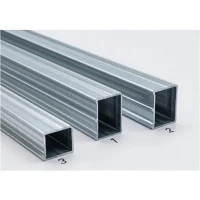
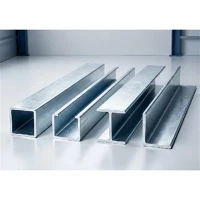
Surface: Galvanized (40-60g/m2 usual, can be request by customer). Shape: Round/Square/Rectangular. Standard: ASTM, BS, GB, DIN, JIS, EN, etc.. Payment terms: TT deposit + BL copy / LC or 100% LC at
Add to Inquiry
Benefits of Steel Pipe
Durable
With minimal care or maintenance, steel pipes can last for as much as 50 years as part of a plumbing system. This has several benefits. For one, you don’t have to turn towards time-consuming and expensive efforts in simply trying to maintain the quality of your pipes. Another benefit is that the water supply passing through steel pipes is free from any unwanted chemicals and substances that can render it unsafe for drinking.
Environmentally-Friendly
Steel is an environmentally-friendly material due to the fact that its manufacturing process does not produce a great amount of waste. It can also be recycled multiple times without losing its original properties. In fact, many steel mills and manufacturing plants make use of only scrap and recycled steel for steel production of pipes, tubing, structural sections, sheet piles, plates, and many more.
Non-Combustible
Poorly-installed or substandard pipes can be a potential cause of fire damage in any plumbing system. For example, when there is a leak in the pipe, the fluid may come into contact with an electrical wire that can cause the spark for the fire. However, this dangerous situation can altogether be avoided by using steel pipes that are non-combustible and have an excellent fire rating.
Easy Installation
Steel pipes are extremely malleable, meaning that they can be formed into a shape in order to meet your plumbing requirements. They can also come in various sizes, such as a ½, ¾, or 1-inch pipe.With this in mind, you won’t have trouble installing new steel pipes in order to replace old ones. Steel pipes can be bent using different techniques to create a seamless pipe that has uniform wall thickness and will experience only negligible changes in pressure.
What are the Applications of Steel Pipe


The Construction Industry
Since steel pipe is both durable and lightweight, it’s commonly utilized by the construction industry in commercial and residential buildings, as well as in industry sectors including power, water, sewer, manufacturing and more. Steel pipe is also a top choice in the construction industry because it’s resistant to rust and corrosion, meaning that it won’t require frequent repairs or replacement. This is especially important in water, plumbing and electrical systems, since leaks or breaks in the steel pipe can be both dangerous and costly.
The Oil And Gas Industry
Steel pipe is ideal for use in extreme conditions such as corrosive environments, low and high temperatures and high pressure. For this reason, steel pipe is prevalent in the oil and gas industry, especially in pipes like gathering lines (the tubes that transport oil or gas from the producing area to a storage facility or larger main pipeline), and pipe trunk lines (the welded, large-diameter steel pipes that are used to transport natural gas over long distances). Because of steel pipe’s durability and versatility, it can stand up to the unique needs of the oil and gas industry.
The Shipbuilding Industry
The strength of steel makes it a great option for ship building since it withstands vibrations, shock and high pressure. Unlike other metals, steel with bend rather than break in extreme conditions, which means it’s less likely to crack or leak. In the shipbuilding industry, steel pipe is designed and manufactured for the boilers, super heaters and pressure systems of a ship.
The Textile Industry
The versatility of steel pipe makes it a popular choice in the textile industry for the production of bale openers, mixers, carding machines, spinning machines, winding machines and texturing machines.
The Agricultural Industry
Steel pipe is frequently used in agricultural fittings due to its durability and ability to withstand pressure. Steel is also sometimes mixed with carbon to create a more lightweight yet sturdy agricultural fitting. Farmers and other agricultural organizations use steel pipe in dozens of applications, including tractor engines, grain elevators, field drainage systems, fertilizer applications, vent pipe systems and more.
Industrial Applications
Steel pipe is a common choice in manufacturing facilities, warehouses and other industrial locations because it’s rust-proof and doesn’t corrode, affording facilities a lifetime of dependable use. Round steel tubing is often used to transport liquids or gas from one area of an industrial facility to another, as well as in the construction of industry structures itself.
Types of Steel Pipe
Carbon Steels
Carbon steels represent approximately 90% of total steel pipe production. They are consist of relatively lower amount of alloying elements and are generally perform weak as used alone. Since their mechanical properties and machinability are sufficient they may cost a little less and they may be preferred more for especially low-stress applications. Lack of alloying elements lowers the suitability of carbon steels for high-pressure applications and extreme conditions, so they become less durable under high loadings. The main reason to prefer carbon steels for pipes may be their advanced ductility and non-bending nature under loading. They are generally used in the automotive and marine industry, and oil and gas transportation. A500, A53, A106, A252 are carbon steel grades that can either be used as seamed or seamless.
Alloyed Steels
The presence of alloying elements improves the mechanical properties of steel, thus pipes become more resistant to high-stress applications and high pressures. The most general alloying elements are nickel, chromium, manganese, copper, etc. which are present in the composition between 1-50 weight percent. Different amounts of different alloying elements contribute mechanical and chemical properties f the product in varying manners, therefore the chemical composition of steels is also modified accordingly to requirements of applications. Alloyed steel pipes are generally used under high loadings with unstable conditions as in the oil and gas industry, refineries, petro-chemistry and chemistry factories.
Stainless Steels
Stainless steel can also be included in the alloyed steel family. The main alloying element in stainless steel is chromium whose fraction varies between 10-20 weight percent. The main purpose of chromium addition is to make steel gain stainless properties by preventing corrosion. Stainless steel pipes are generally utilized under extreme conditions where corrosion resistance and high strength are vital, as in the marine industry, water purification, medicine and, oil and gas industry. 304/304L and 316/316L are stainless steel grades that can be used in pipe production. While 304 grade has great corrosion resistance and strength; due to low carbon content, 316 series exhibit lower strength and can be welded.
Galvanized Steels
Galvanized pipes are steel pipes that are treated with a zinc coating to prevent corrosion. Zinc coating keeps corrosive substances from corroding the pipe. It was once the most common type of pipe for water supply lines, but because of labor and time that goes into cutting, threading, and installing galvanized pipe, it no longer used much, except for limited use in repairs. These types of pipes are prepared from 12 mm (0.5 inches) to 15 cm (6 inches) in diameter. They are available in 6 meters (20 feet) length. However, galvanized pipe for water distribution is still seen in larger commercial applications. One important disadvantage of galvanized pipes is their 40-50 years of lifetime. Despite that zinc coating covers the surface and avoids external substances to react with steel and corrode it, if the transported substances are corrosive pipe may start corroding from inside. Therefore, it is crucial to control and upgrade galvanized steel pipes in certain periods.

Steel Pipe Material
The main raw material used in steel pipe production is steel, which is made up primarily of iron. However, steel pipe commonly includes other elements such as aluminum, manganese, titanium, tungsten, vanadium and zirconium. Similarly, finishing materials are sometimes applied to help protect the pipe.Steel pipes come in a wide range of shapes and styles. The diameter of a steel pipe can range from a tiny tube used to make hypodermic needles to large pipes used to transport gas throughout a city. They can be short or long, have a thick wall or a thin one, and can be finished with varying coating materials. Often, steel pipes are manufactured for an intended purpose, and their characteristics are modified during production to better fit their task.
Process of Steel Pipe
Convert raw steel to a more usable form
Both processes must start by making good quality steel. Raw steel is produced by foundries through a process of melting raw materials in a furnace. To get the composition exactly right, elements may be added to the molten metal, and impurities removed. The resulting molten steel is poured into molds to make ingots or is transferred to a continuous casting machine to make slabs, billets, and blooms. Pipe is made from two of these products: slabs or billets.
Steel slabs and steel skelp in pipe manufacturing
Steel skelp is made from slabs that are heated to 2,200˚F. The heat causes a scale to form on the surface, which must be removed through a scale breaker and high pressure cleaning. Once cleaned, the steel slab is hot rolled into thin, narrow strips of steel called skelp. Skelp is pickled (surface cleaned) with sulfuric acid, washed with water and rolled onto large spools as the raw material for pipe making. The width of the skelp determines the diameter of the pipe that can be made.
Steel billets for seamless pipe
Steel billets are long square pieces of steel produced directly from a continuous casting machine or as a secondary product made from rolled and stretched cast ingots. These billets can be used to make seamless pipe, which is safer in some applications for not having a weld line.The solid steel billet must be heated extreme temperatures, becoming white hot but not melted. Machines roll them so that they become a cylindrical solid. While still hot, a bullet-shaped piercer is used to make the hollow center regular according to its dimensions. A series of milling operations follow to conform the pipe to the required specifications.
Finishing steps
Pipes may be put through a straightening machine as a final process step before being fitted with joints at the end. Small bore piping is usually fitted with threaded joints, but larger bore piping is normally fitted with flanges that are welded onto the end of the pipe. Measuring machines check the dimensions of the finished pipe, and stamp the details on the side of the pipe for quality control purposes.
Quality control
Quality control steps include checking the pipe for defects using x-ray machines—especially along the weld. Another technique is to pressure test the pipe by filling it with water, then holding it under pressure for a specified time to expose any defects that may cause catastrophic failure before it is put in service.
Maintenance Tips for Steel Pipe
Inspection and Cleaning
Regularly inspecting and cleaning steel pipes are essential to prevent corrosion and blockages. Corrosion can weaken the pipe walls and cause leaks, while blockages can disrupt the flow of materials and cause pressure buildup. Thus, inspecting your pipes for signs of corrosion, rust, cracks, and leaks is crucial.You can use various methods to inspect your pipes, such as visual inspection, ultrasonic testing, magnetic particle inspection, and eddy current inspection. These methods can detect flaws and defects in the pipes and help you determine the extent of damage.
Coating and Protection
Coating your steel pipes can provide additional protection against corrosion and damage. This can also improve the pipe’s performance and extend its lifespan. Some standard coatings for steel pipes include epoxy, polyurethane, and zinc.Epoxy coatings resist chemicals and abrasion and provide a smooth surface for better flow. Polyurethane coatings are durable and flexible and can withstand extreme temperatures and weather conditions. Zinc coatings, also known as galvanization, involve coating the steel with a layer of zinc to prevent corrosion.
Maintenance and Repair
Regularly maintaining and repairing steel pipes are crucial to prevent failures and accidents. You should establish a maintenance schedule that includes regular inspections, cleaning, and repairs. You should also record your maintenance activities, including each check and repair’s date, type, and results.Repairing or replacing the affected pipes immediately is essential if you notice any damage or deterioration during an inspection. Delaying repairs can cause the damage to worsen and increase the risk of failure.
Replace damaged pipes immediately
During maintenance, you might encounter a number of pipes that have been worn out or received damage, which means that it is important to suspend or cease operations immediately and prevent further damage and harm from being done. If the pipes have experienced a significant amount of damage and wear and tear, then it is best to have them replaced immediately.Most industries require their piping to be well-maintained at all times to keep operations running smoothly, and damaged pipes mean these functions are significantly delayed, which can be very costly. Damaged pipes can also cause accidents as well, which can cause a lot of damage to surrounding facilities and equipment. Make sure you have the necessary replacement pipes available in case damage is present.
Tips to Choose High-Quality Steel Pipe
Materials and Grade
When it comes to steel pipes, the quality of the materials used plays a vital role. Different grades of steel are available in the market, each with its unique characteristics and strengths. It is crucial to determine the specific grade of steel that best suits your requirements. Consider factors such as corrosion resistance, impact strength, and the ability to withstand high temperatures. Consulting with industry experts or reputable steel suppliers can help you choose the appropriate grade of steel pipe for your intended purpose.
Production Process
The quality of steel pipes is greatly influenced by the production process. Reputable manufacturers adopt advanced technology and adhere to strict quality control procedures to ensure high-quality production. When considering a supplier, inquire about their manufacturing process and standards they follow. Look for suppliers who have internationally recognized quality certifications, such as ISO 9001, which ensures that their manufacturing processes meet stringent quality requirements.
Size and Dimensions
Choosing the correct size and dimensions of the steel pipe is essential for its proper functionality. Consider factors such as the pipe's inner and outer diameter, wall thickness, and length. Accurate dimensions are critical to prevent leakages, corrosion, and other structural issues. Always ensure that the steel pipe's size and dimensions comply with industry standards and specifications.
Testing and Inspection
Reliable steel pipe manufacturers conduct rigorous testing and inspection procedures to ensure the highest quality. These tests typically include chemical composition analysis, mechanical properties evaluation, non-destructive testing, and dimensional inspections. Request information from the supplier regarding the specific testing methods they utilize and the standards they follow. It is advisable to choose a supplier that provides documented quality controls and inspection reports for their steel pipes.
End Use and Application
Understanding the specific requirements for your steel pipe's end-use and application is crucial in selecting the right product. Different industries have diverse demands and environmental conditions that affect the choice of steel pipe. Consider factors such as the medium being transported, operating temperature, pressure, and potential corrosion issues. This information will help you determine the most suitable steel grade, corrosion resistance, and protective coating required for the pipe.
Structural Usage
Structural use is commonly building and construction in which the building material is commonly referred to as steel tubes. Steel tubes are used to provide additional strength and stability for especially high buildings or constructions. Two types of steel pipes are utilized in structural usage as end-bearing piles and friction piles that both have the aim of transferring the load of the building. In those applications, steel pipes are driven deep into the earth before the foundation is laid, which constitutes great support to the building especially when the ground is not secure. Another structural application of steel pipes is scaffolding poles which allow construction workers to access all areas of the building that are out of reach. They are made by linking steel tubes into each other as a cage that surrounds the building.
Manufacturing Usage
Steel pipes are being utilized for many different purposes in manufacturing use. Guard rails are one of the most common usages to provide a safety feature for stairs and balconies, or, in street, for cyclists and pedestrians. Steel pipes can also be utilized as security bollards which are used to cordon off an area from vehicle traffic to protect people, buildings, or infrastructures. Also, steel pipes constitute an option for outdoor site furnishings. Many commercial bike racks are formed by bending steel tubes. High toughness and strength of steel make it secure against thieves.
Transportation Usage
The most common usage of steel pipes is the transportation of products since the characteristics of the raw material is very suitable for long-term installations. As it has mentioned before, different applications require different properties, as for low-pressure applications it is not expected for a steel pipe to exhibit ultra-high-strength since it does not expose to significant loading. More specialized applications to be used in the oil and gas industry may require more stringent specifications due to the hazardous nature of the product and the possibility of increasing pressure. These requirements bring a higher cost and quality control becomes more critical.
Our Factory
Shanghai Xinyiheng Metal Products Co., Ltd.Our company is located in Jinan, shandong province with superior geographical position and convenient transportation. We are experienced and specialized in the production of steel structures, H-beam, I-beam, angle, channel, steel plate, round steel, galvanized steel. etc, Annual export capacity can reach 5 million to 8 million tons.


certificate

FAQ
Q: What is the most common steel pipe material?
Q: What are the different types of steel pipes?
Q: What is the difference between seamless and welded steel pipes?
Q: What is the purpose of galvanizing steel pipes?
Q: What are the standard dimensions for steel pipes?
Q: What is the maximum length of a steel pipe?
Q: How are steel pipes transported?
Q: What is steel pipe?
Q: What is the difference between seamless and welded steel pipe?
Q: What is the difference between seamless and welded steel pipe?
Q: What is the typical lifespan of steel pipe?
Q: What are the advantages of steel pipe?
Q: What is the main advantage of steel?
Q: What is the problem with steel construction?
Q: What are the factors to consider when choosing a steel pipe?
Q: What are the standards for steel pipe production?
Q: How long do steel pipes last?
Q: What is the difference between schedule and nominal pipe sizes?
Q: What is the life expectancy of mild steel pipe?
Q: Do steel water pipes rust?
We're well-known as one of the leading steel pipe manufacturers and suppliers in China. Please rest assured to buy high quality steel pipe for sale here from our factory. For price consultation, contact us.
Welded Steel Tube, Steel Pipe, MS Steel Pipe