


Hey there! As a supplier of PPGL Coil, I often get asked about different testing methods for our products. One important test that we use is the creep test method. So, let's dive into what the creep test method for PPGL Coil is all about.
What is Creep?
First off, let's understand what creep is. Creep is the tendency of a material to deform slowly over time when it's under a constant load. In the case of PPGL Coil, which is Prepainted Galvalume Steel, this can be a big deal. We use PPGL Coil in all sorts of applications, like roofing, wall cladding, and even in some industrial settings. And if the coil starts to deform over time due to creep, it can affect the performance and lifespan of the final product.
Why Do We Need a Creep Test?
You might be wondering why we even bother with a creep test. Well, think about it. When you install a roof made of PPGL Coil, you expect it to last for a long time, right? You don't want it to start sagging or deforming after just a few years. That's where the creep test comes in. By conducting this test, we can predict how the PPGL Coil will behave under long - term stress. This helps us ensure that our products meet the quality standards and can withstand the real - world conditions they'll be exposed to.
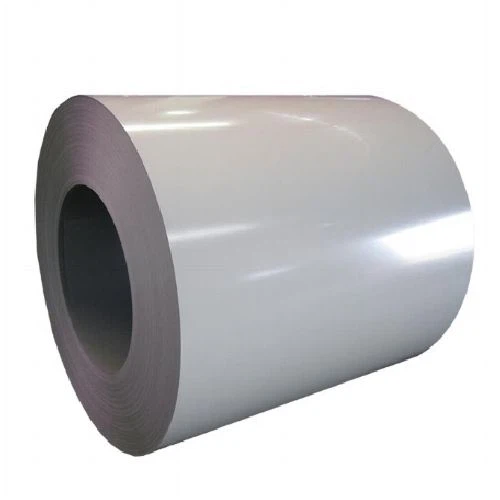

The Creep Test Method for PPGL Coil
The creep test for PPGL Coil is a bit of a long - haul process. It involves applying a constant load to a sample of the coil for an extended period. Usually, we cut a small, standardized sample from the coil. This sample needs to be representative of the entire batch of PPGL Coil.
We then place this sample in a testing machine. The testing machine is designed to apply a specific amount of stress to the sample. This stress is usually based on the expected load that the coil will face in its actual application. For example, if the coil is going to be used in a roofing project, we'll apply a stress similar to what the roof will experience due to wind, snow, and its own weight.
Once the load is applied, we start monitoring the sample. We measure how much it deforms over time. This is usually done using a very precise measuring device. We record the deformation at regular intervals, say every few hours or days, depending on the test duration.
The test can run for weeks, months, or even years. The longer the test, the more accurate our prediction of the long - term behavior of the PPGL Coil. During this time, we also need to control the environmental conditions. Temperature and humidity can have a big impact on the creep behavior of the coil. So, we keep the testing environment at a constant temperature and humidity level.
What We Learn from the Creep Test
After the test is complete, we analyze the data we've collected. We look at how much the sample deformed over time and at what rate. This gives us an idea of the creep rate of the PPGL Coil. A low creep rate is generally a good sign. It means that the coil is less likely to deform significantly over its lifespan.
We also use this data to develop models that can predict the long - term behavior of the coil under different conditions. For example, we can use these models to see how the coil will perform in a hot and humid climate compared to a cold and dry one.
Our Commitment to Quality
As a supplier of Galvalume PPGL Steel Coils, we take the quality of our products very seriously. The creep test is just one of the many tests we conduct to ensure that our PPGL Coil meets the highest standards. We know that our customers rely on us to provide them with products that are durable and reliable.
Special Applications: Camouflage PPGL Coil
We also offer Camouflage PPGL Coil for some special applications. This type of coil has a unique appearance, but it still needs to pass the same rigorous tests as our other products. The creep test is especially important for the Camouflage PPGL Coil because it's often used in outdoor settings where it may be exposed to various environmental stresses for a long time.
Contact Us for Your PPGL Coil Needs
If you're in the market for high - quality PPGL Coil, whether it's for a roofing project, wall cladding, or any other application, we're here to help. Our commitment to quality, backed by tests like the creep test, ensures that you'll get a product that will serve you well for years to come. Don't hesitate to reach out to us to discuss your specific requirements and start the procurement process. We're ready to work with you to find the perfect PPGL Coil solution for your project.
References
- ASTM International. (Year). Standard test methods for creep, creep - rupture, and stress - rupture of metallic materials. ASTM E139.
- ISO. (Year). Metallic materials — Uniaxial creep testing in tension — Method of test. ISO 204.