


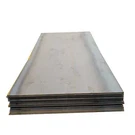
Acid resistance is a crucial property when it comes to evaluating the performance and durability of building materials, especially for products like PPGL Coil. As a supplier of PPGL Coil, I've encountered numerous inquiries regarding the acid resistance of our product. In this blog post, I'll delve into what acid resistance means for PPGL Coil, how it's tested, and why it matters in various applications.
Understanding PPGL Coil
Before we discuss acid resistance, let's briefly introduce what PPGL Coil is. PPGL stands for Prepainted Galvalume Steel. Galvalume is a zinc - aluminum alloy coating that provides excellent corrosion resistance. The prepainting process adds an extra layer of protection and aesthetic appeal to the steel. You can learn more about Prepainted Galvalume Steel on our website.
PPGL Coil has a wide range of applications, including roofing, wall cladding, and automotive parts. Its popularity stems from its combination of strength, durability, and attractive appearance. There are also specialized types like Camouflage PPGL Coil and Galvalume PPGL Steel Coils, which are designed for specific uses.
What is Acid Resistance?
Acid resistance refers to a material's ability to withstand the corrosive effects of acids. In the context of PPGL Coil, it means how well the coil can resist damage when exposed to acidic substances. Acids can be present in various environments, such as industrial areas with high levels of air pollution, coastal regions where sea spray may contain acidic components, or in agricultural settings where fertilizers and pesticides can be acidic.
When a PPGL Coil is exposed to an acidic environment, the acid can react with the coating and the underlying steel. This reaction can lead to the degradation of the coating, which in turn exposes the steel to further corrosion. If the acid resistance of the PPGL Coil is poor, it may result in the formation of rust, blistering, or peeling of the paint, reducing the lifespan and aesthetic appeal of the product.
Factors Affecting the Acid Resistance of PPGL Coil
Several factors influence the acid resistance of PPGL Coil:
Coating Composition
The type and quality of the paint coating play a significant role in acid resistance. Different paint formulations have different chemical properties, and some are more resistant to acids than others. For example, epoxy - based coatings generally offer better acid resistance compared to some other types of coatings. The thickness of the coating also matters. A thicker coating can provide more protection against acid penetration.
Galvalume Coating
The underlying Galvalume coating is another important factor. The zinc - aluminum alloy in the Galvalume coating acts as a sacrificial anode, protecting the steel from corrosion. A high - quality Galvalume coating with the right composition and thickness can enhance the overall acid resistance of the PPGL Coil.
Surface Treatment
Before painting, the steel surface undergoes a series of treatments, such as cleaning, phosphating, or chromating. These treatments improve the adhesion of the paint coating and can also enhance the acid resistance of the coil. A well - treated surface provides a better barrier against acid attack.
Environmental Conditions
The severity of the acidic environment also affects the acid resistance of the PPGL Coil. Factors such as the concentration of the acid, the duration of exposure, and the temperature and humidity of the environment all play a role. For example, a higher concentration of acid and longer exposure times will put more stress on the coil and require a higher level of acid resistance.
Testing the Acid Resistance of PPGL Coil
To ensure the quality and acid resistance of our PPGL Coil, we conduct a series of tests. One common test is the acid immersion test. In this test, samples of the PPGL Coil are immersed in an acidic solution for a specified period. The solution is usually a diluted acid, such as sulfuric acid or hydrochloric acid, with a known concentration.
After the immersion period, the samples are removed and inspected for signs of damage. We look for changes in the appearance of the coating, such as discoloration, blistering, or peeling. We also measure the thickness of the coating before and after the test to determine if any material has been lost due to acid attack.
Another test is the salt spray test with an acidic component. This test simulates a harsh coastal environment where the coil may be exposed to both salt and acid. The samples are placed in a chamber where a fine mist of saltwater with an added acid is sprayed onto the surface. The test is run for a specific number of hours, and the samples are then evaluated for corrosion and coating degradation.
Importance of Acid Resistance in Different Applications
Roofing
In roofing applications, acid resistance is crucial. Roofs are exposed to the elements, including rain, snow, and air pollution. In areas with high levels of acid rain, a PPGL Coil with poor acid resistance may start to deteriorate quickly. This can lead to leaks, reduced insulation, and a shorter lifespan for the roof. A roof made of acid - resistant PPGL Coil can withstand these environmental challenges and provide long - term protection for the building.
Wall Cladding
Wall cladding is another area where acid resistance is important. Exterior walls are constantly exposed to the environment, and in industrial or urban areas, they may be exposed to acidic pollutants. Acid - resistant PPGL Coil for wall cladding can maintain its appearance and structural integrity over time, enhancing the overall look and durability of the building.
Automotive Parts
In the automotive industry, PPGL Coil may be used for parts such as body panels or interior components. These parts may be exposed to acids from road salt, battery acid, or industrial pollutants. Acid - resistant PPGL Coil can prevent corrosion and damage to the automotive parts, ensuring the safety and reliability of the vehicle.


Our Commitment as a PPGL Coil Supplier
As a supplier of PPGL Coil, we are committed to providing products with high acid resistance. We use high - quality paint coatings and Galvalume coatings in our manufacturing process. Our production facilities are equipped with advanced surface treatment technology to ensure proper adhesion and protection.
We conduct rigorous quality control tests to ensure that our PPGL Coil meets or exceeds industry standards for acid resistance. We also offer customized solutions based on the specific requirements of our customers. Whether you need a coil for a roofing project in an area with high acid rain or for an automotive application with specific acid - exposure risks, we can provide the right product.
Contact Us for Your PPGL Coil Needs
If you're in the market for PPGL Coil and are concerned about acid resistance, we'd love to hear from you. Our team of experts can provide you with detailed information about our products, including their acid - resistance properties. We can also assist you in selecting the right type of PPGL Coil for your specific application. Contact us to start a discussion about your procurement needs and explore how our high - quality PPGL Coil can meet your requirements.
References
- ASTM International. "Standard Test Methods for Evaluating the Corrosion Resistance of Painted or Coated Specimens Subjected to Cyclic Salt Spray/UV Exposure." ASTM G85 - 18.
- ISO. "Paints and Varnishes - Determination of Resistance to Neutral Salt Spray (NSS Test)." ISO 9227:2017.