


What is the lifespan of angle steel under normal conditions?
As a seasoned angle steel supplier, I've often been asked about the lifespan of angle steel under normal conditions. This is a crucial question for many of our clients, whether they're involved in construction, manufacturing, or other industries that rely on this versatile material. In this blog post, I'll delve into the factors that influence the lifespan of angle steel and provide some insights based on my years of experience in the industry.

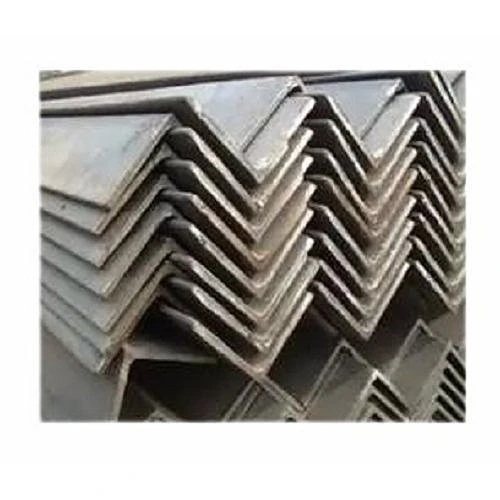
Understanding Angle Steel
Before we discuss its lifespan, let's briefly understand what angle steel is. Angle steel, also known as L - shaped steel, is a type of structural steel with an L - shaped cross - section. It comes in various forms, such as Black Steel Angle, Unequal Angle Steel, and Carbon Steel Angle Steel. These different types are used in a wide range of applications, from building frameworks and supports to machinery parts and decorative elements.
Factors Affecting the Lifespan of Angle Steel
1. Material Quality
The quality of the steel used to manufacture angle steel is a fundamental factor. High - quality carbon steel with the right chemical composition and proper heat treatment will generally have a longer lifespan. For example, steel with a higher carbon content may offer greater strength but could be more prone to corrosion if not properly protected. At our company, we source our angle steel from reputable mills that adhere to strict quality control standards. This ensures that the steel has consistent properties and is less likely to develop defects over time.
2. Environmental Conditions
The environment in which the angle steel is used plays a significant role in its lifespan. In a dry, indoor environment with stable temperatures, angle steel can last for decades. However, in harsh outdoor environments, factors such as moisture, humidity, and exposure to chemicals can accelerate corrosion. For instance, in coastal areas where the air contains salt, the corrosion rate of angle steel can be much higher compared to inland areas. To mitigate this, we often recommend applying protective coatings such as galvanization or painting to the angle steel.
3. Load and Stress
The amount of load and stress the angle steel is subjected to also affects its lifespan. If the angle steel is used in a structure where it bears heavy loads or experiences frequent vibrations, it may be more likely to develop fatigue cracks over time. Engineers need to carefully calculate the load - bearing capacity of the angle steel and ensure that it is used within its design limits. Overloading the angle steel can lead to deformation and premature failure.
4. Maintenance
Regular maintenance is essential for extending the lifespan of angle steel. This includes inspecting the angle steel for signs of corrosion, damage, or deformation on a regular basis. If any issues are detected, appropriate measures such as cleaning, repairing, or recoating should be taken promptly. For example, if a small area of the protective coating is damaged, it should be repaired to prevent corrosion from spreading.
Estimating the Lifespan
Under normal conditions, which typically mean a dry, indoor environment with minimal load and proper maintenance, angle steel can have a lifespan of 50 years or more. In outdoor environments with proper protective coatings, it can last 20 - 30 years. However, these are just rough estimates, and the actual lifespan can vary significantly depending on the specific circumstances.
For example, in a building framework where the angle steel is protected by the building's envelope and experiences only normal static loads, it may last the entire lifespan of the building, which could be 50 - 100 years. On the other hand, in a chemical plant where the angle steel is exposed to corrosive chemicals, its lifespan may be significantly reduced, perhaps to just 10 - 15 years even with protective measures.
Our Solutions for Long - Lasting Angle Steel
As an angle steel supplier, we are committed to providing our customers with high - quality products and solutions to ensure the long - term performance of the angle steel. We offer a range of protective coatings for our angle steel, including hot - dip galvanizing, which provides excellent corrosion resistance. Our technical team can also provide advice on proper installation, maintenance, and load - bearing calculations.
We understand that every project is unique, and we work closely with our customers to understand their specific requirements. Whether it's a small - scale DIY project or a large - scale industrial construction, we can help select the right type of angle steel and recommend the best practices for its use.
Conclusion
The lifespan of angle steel under normal conditions can vary widely depending on material quality, environmental conditions, load and stress, and maintenance. By choosing high - quality angle steel, implementing appropriate protective measures, and following proper maintenance procedures, our customers can ensure that their angle steel serves them well for many years.
If you're in need of angle steel for your project and want to discuss its lifespan and suitability, please feel free to contact us. Our experienced team is ready to assist you with your procurement needs and provide you with expert advice. Let's work together to find the best angle steel solution for your project.
References
- "Structural Steel Design Handbook", Fourth Edition, by Jack C. McCormac
- "Corrosion of Metals: Principles, Prevention, and Protection" by Pierre R. Roberge