


When it comes to construction and DIY projects, bonding angle steel to wood is a common task that requires the right adhesive. As an angle steel supplier, I've encountered numerous clients seeking advice on this matter. In this blog, I'll explore various adhesives suitable for bonding angle steel to wood, considering factors such as strength, durability, and application ease.
Understanding the Requirements
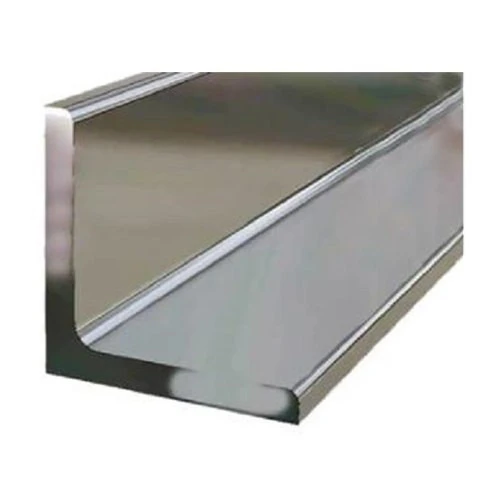
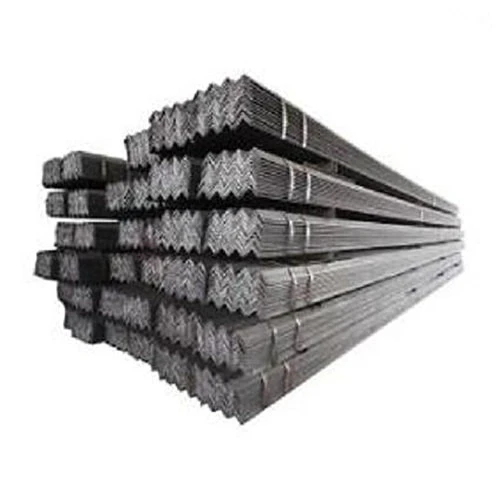
Before delving into specific adhesives, it's essential to understand the requirements of the bonding process. Angle steel, available in different types like Structural Steel Unequal Angles and Unequal Angle Steel, is often used for structural support in wood - based structures. The adhesive must be able to withstand the stresses and loads placed on the joint. Additionally, it should resist environmental factors such as moisture, temperature changes, and chemicals.
Epoxy Adhesives
Epoxy adhesives are a popular choice for bonding angle steel to wood. They consist of two components: a resin and a hardener. When mixed together, a chemical reaction occurs, resulting in a strong, rigid bond.
Advantages
- High Strength: Epoxies offer excellent shear and tensile strength, making them suitable for load - bearing applications. They can effectively transfer forces between the angle steel and the wood, ensuring a stable joint.
- Good Adhesion: Epoxy has a strong affinity for both metal and wood surfaces. It can penetrate the porous wood fibers and form a mechanical bond, while also adhering well to the smooth surface of the angle steel.
- Chemical Resistance: Epoxies are resistant to many chemicals, including water, solvents, and oils. This makes them suitable for use in environments where the joint may be exposed to various substances.
Disadvantages
- Longer Curing Time: Depending on the formulation, epoxy adhesives can take several hours to fully cure. This may require additional time for clamping and setting up the joint.
- Difficult to Apply: Mixing the resin and hardener in the correct ratio is crucial for achieving optimal performance. Improper mixing can result in a weak bond or incomplete curing.
Polyurethane Adhesives
Polyurethane adhesives are another option for bonding angle steel to wood. They are known for their flexibility and durability.
Advantages
- Flexibility: Polyurethane adhesives can accommodate some movement between the angle steel and the wood, which is beneficial in applications where there may be vibration or slight expansion and contraction.
- Good Waterproofing: These adhesives form a waterproof seal, making them suitable for outdoor applications or areas prone to moisture.
- Fast Curing: Polyurethane adhesives generally cure faster than epoxies, allowing for quicker assembly and use of the bonded structure.
Disadvantages
- Lower Strength than Epoxy: While polyurethane adhesives offer good strength, they may not be as strong as epoxies in high - load applications.
- Surface Preparation: Proper surface preparation is essential for good adhesion. The wood surface should be clean and dry, and the angle steel may need to be degreased to ensure a strong bond.
Cyanoacrylate Adhesives (Super Glue)
Cyanoacrylate adhesives, commonly known as super glue, are fast - acting adhesives that can bond a variety of materials, including metal and wood.
Advantages
- Instant Bonding: Cyanoacrylate adhesives form a bond almost instantly, which is useful for quick repairs or small - scale projects.
- Easy to Apply: They come in convenient squeeze bottles or tubes, making them easy to dispense onto the surfaces to be bonded.
Disadvantages
- Brittle Bond: Super glue forms a relatively brittle bond, which may not be suitable for applications where there is significant stress or movement.
- Limited Gap Filling: Cyanoacrylate adhesives have poor gap - filling properties. The surfaces to be bonded must be in close contact for a strong bond to form.
Contact Adhesives
Contact adhesives are designed to bond two surfaces by applying the adhesive to both surfaces and allowing them to dry before bringing them together.
Advantages
- High Shear Strength: Contact adhesives provide good shear strength, making them suitable for applications where the joint is subject to lateral forces.
- Fast Bonding: Once the adhesive has dried, the two surfaces can be bonded quickly by pressing them together.
Disadvantages
- Requires Precise Alignment: Since the bond forms immediately upon contact, it is essential to align the angle steel and the wood correctly before bringing them together.
- Limited Gap Filling: Similar to cyanoacrylate adhesives, contact adhesives have limited gap - filling capabilities.
Surface Preparation
Regardless of the adhesive chosen, proper surface preparation is crucial for a successful bond.
Wood Surface
- Cleaning: Remove any dirt, dust, or debris from the wood surface. Sanding the surface slightly can also improve adhesion by increasing the surface area for the adhesive to bond to.
- Drying: Ensure the wood is dry before applying the adhesive. Moisture in the wood can affect the bonding process and lead to a weak bond.
Angle Steel Surface
- Cleaning: Degrease the angle steel surface to remove any oils, grease, or contaminants. This can be done using a solvent such as acetone or a commercial degreaser.
- Roughing: Lightly sanding the angle steel surface can improve the adhesion of the adhesive. A rough surface provides more area for the adhesive to grip onto.
Application Tips
- Clamping: Use appropriate clamps to hold the angle steel and the wood together during the curing process. This ensures good contact between the surfaces and helps the adhesive form a strong bond.
- Follow Instructions: Always follow the manufacturer's instructions for mixing, applying, and curing the adhesive. This includes using the correct amount of adhesive, allowing the appropriate curing time, and using any recommended primers or accelerators.
Conclusion
Selecting the right adhesive for bonding angle steel to wood depends on several factors, including the application requirements, the environment, and personal preferences. Epoxy adhesives are ideal for high - strength, load - bearing applications, while polyurethane adhesives offer flexibility and good waterproofing. Cyanoacrylate adhesives are suitable for quick repairs, and contact adhesives provide high shear strength.
As an angle steel supplier, I can provide you with high - quality Carbon Steel Angle Steel for your projects. If you have any questions about bonding angle steel to wood or need advice on choosing the right adhesive, feel free to reach out. We're here to help you find the best solutions for your construction and DIY needs. Contact us to discuss your specific requirements and start your next project with confidence.
References
- Oberg, E., Jones, F. D., Horton, H. L., & Ryffel, H. H. (2000). Machinery's Handbook (27th ed.). Industrial Press Inc.
- Campbell, F. C. (2008). Manufacturing Processes for Advanced Composites. Elsevier.
- Adhesive and Sealant Council. (n.d.). Adhesive Basics. Retrieved from https://www.adhesives.org/