


Can aluminum pipes be used in high - temperature applications?
Hey there! I'm an aluminum pipe supplier, and I often get asked whether aluminum pipes can be used in high - temperature applications. It's a valid question, and the answer isn't as straightforward as you might think.
Let's start by looking at some of the basic properties of aluminum. Aluminum is a lightweight metal known for its excellent corrosion resistance and good thermal conductivity. These properties make it a popular choice in many industries, from construction to automotive. But when it comes to high - temperature applications, we need to dig a bit deeper.
One of the main concerns with using aluminum pipes in high - temperature settings is its relatively low melting point. Aluminum melts at around 660°C (1220°F), which is much lower compared to metals like steel. For instance, steel can withstand temperatures well above 1000°C in many cases. So, if you're dealing with extremely high - temperature environments, aluminum might not be the first choice.
However, not all high - temperature applications involve temperatures close to the melting point of aluminum. There are many scenarios where aluminum pipes can work just fine. For example, in some industrial heating systems where the operating temperature is in the range of 100 - 300°C, aluminum pipes can be a great option. Their good thermal conductivity allows for efficient heat transfer, which is crucial in these systems.
Another factor to consider is the type of aluminum alloy used. Different aluminum alloys have different properties, and some are better suited for high - temperature applications than others. For example, the 1060 Aluminum Pipe is a pure aluminum alloy with high ductility and good corrosion resistance. While it's not specifically designed for extremely high - temperature use, it can handle moderate temperatures without significant issues.
Some aluminum alloys are heat - treated to improve their strength and heat resistance. These heat - treated alloys can withstand higher temperatures and still maintain their structural integrity. They are often used in aerospace and automotive engines, where high - temperature performance is essential.
But it's not just about the temperature. The duration of exposure to high temperatures also matters. Short - term exposure to relatively high temperatures might not cause significant damage to aluminum pipes. However, long - term exposure can lead to changes in the material's properties, such as a decrease in strength and an increase in brittleness.

In addition to the temperature and alloy type, the environment in which the aluminum pipes are used also plays a role. If the high - temperature environment is also corrosive, this can accelerate the degradation of the aluminum pipes. For example, in a chemical plant where there are hot, corrosive gases, special coatings or alloys might be required to protect the aluminum pipes.
Let's talk about some real - world applications. In solar thermal systems, aluminum pipes are commonly used to transfer heat from the solar collectors to the storage tank. The operating temperatures in these systems are usually in the range of 80 - 200°C, which is well within the capabilities of many aluminum alloys. The lightweight nature of aluminum also makes it easier to install and handle in these systems.
In the food and beverage industry, aluminum pipes are used in some heating and cooling processes. The relatively low temperatures involved in these applications, combined with the good corrosion resistance of aluminum, make it a suitable choice.
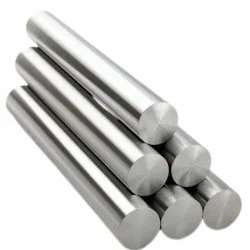
Now, if you're thinking about using Solid Aluminum Rod or Square Aluminum Tube in high - temperature applications, the same principles apply. The alloy type, temperature, exposure duration, and environment all need to be considered.
If you're in the market for aluminum pipes for high - temperature applications, it's important to do your research. Talk to an expert, like me! I can help you choose the right alloy and type of aluminum pipe based on your specific needs. We can discuss the operating temperature, the expected duration of use, and the environmental conditions to ensure that you get the best product for your application.
Whether you're working on a small - scale project or a large - scale industrial application, I'm here to assist you. I have a wide range of aluminum pipes and alloys available, and I can provide you with detailed information about their performance in high - temperature scenarios.
So, if you're interested in learning more about using aluminum pipes in high - temperature applications or if you're ready to make a purchase, don't hesitate to reach out. Let's have a chat about your requirements, and we can find the perfect solution together.
In conclusion, aluminum pipes can be used in high - temperature applications, but it depends on several factors. By carefully considering the temperature, alloy type, exposure duration, and environment, you can determine whether aluminum pipes are the right choice for your project. If you have any questions or need more information, feel free to get in touch, and we can start discussing your specific needs.
References:
- "Aluminum Alloys: Structure and Properties" by John E. Hatch
- "Materials Science and Engineering: An Introduction" by William D. Callister Jr. and David G. Rethwisch