


Hey there! As an angle steel supplier, I've seen firsthand how important it is to paint angle steel properly. Not only does it enhance the steel's appearance, but it also provides protection against corrosion and other environmental factors. In this blog post, I'll share some tips on how to paint angle steel like a pro.
Why Paint Angle Steel?
Before we dive into the painting process, let's talk about why you should paint angle steel in the first place. Angle steel is commonly used in construction, manufacturing, and other industries. It's exposed to various elements such as moisture, chemicals, and UV rays, which can cause it to rust and deteriorate over time. Painting angle steel creates a protective barrier that prevents these elements from reaching the steel surface, thus extending its lifespan.
In addition to protection, painting angle steel can also improve its aesthetic appeal. Whether you're using angle steel for a structural project or a decorative purpose, a fresh coat of paint can make it look more professional and attractive.
Types of Angle Steel
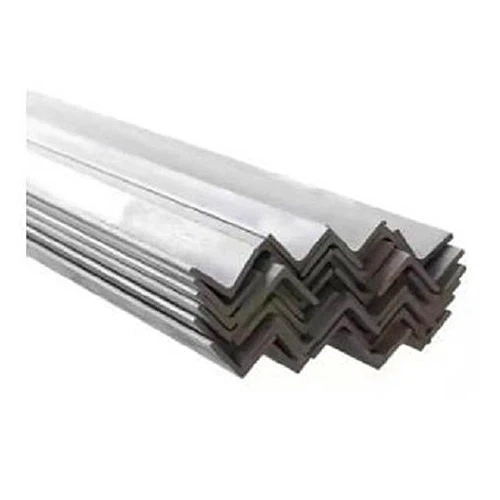
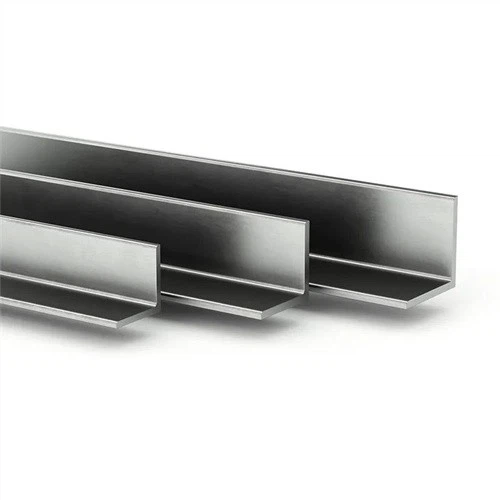
There are different types of angle steel available, including Unequal Angle Steel, Mild Steel Unequal Angle, and L Shape Steel Angle. The painting process is generally the same for all types, but you may need to choose a paint that is specifically formulated for the type of steel you're working with.
Preparing the Angle Steel
The key to a successful paint job is proper preparation. Here's what you need to do:
1. Clean the Surface
Start by cleaning the angle steel to remove any dirt, grease, rust, or other contaminants. You can use a wire brush, sandpaper, or a power washer to clean the surface. Make sure to wear protective gear such as gloves and goggles when using these tools.
If the angle steel has a lot of rust, you may need to use a rust converter or a chemical cleaner to remove it. Follow the manufacturer's instructions carefully when using these products.
2. Sand the Surface
After cleaning the surface, sand it to create a rough texture that will help the paint adhere better. You can use sandpaper with a grit between 80 and 120 for this step. Sand the entire surface of the angle steel, including the edges and corners.
3. Mask Off Areas
If there are any areas of the angle steel that you don't want to paint, such as bolts or nuts, mask them off with painter's tape. This will prevent the paint from getting on these areas and make the painting process easier.
Choosing the Right Paint
There are several types of paint available for painting angle steel, including enamel, epoxy, and acrylic. Each type of paint has its own advantages and disadvantages, so it's important to choose the one that is best suited for your needs.
1. Enamel Paint
Enamel paint is a popular choice for painting angle steel because it is durable, resistant to chipping and scratching, and has a high-gloss finish. It is also relatively easy to apply and dries quickly. However, enamel paint can be more expensive than other types of paint and may require multiple coats for full coverage.
2. Epoxy Paint
Epoxy paint is a two-part paint that is known for its excellent adhesion, chemical resistance, and durability. It is often used in industrial applications where the angle steel will be exposed to harsh chemicals or extreme conditions. Epoxy paint can be more difficult to apply than other types of paint and may require special equipment and ventilation.
3. Acrylic Paint
Acrylic paint is a water-based paint that is easy to apply, dries quickly, and is environmentally friendly. It is also available in a wide range of colors and finishes. However, acrylic paint may not be as durable as enamel or epoxy paint and may require more frequent touch-ups.
When choosing a paint, make sure to consider the environment in which the angle steel will be used, the type of steel, and your budget.
Applying the Paint
Once you have prepared the angle steel and chosen the right paint, it's time to start painting. Here's how to do it:
1. Stir the Paint
Before applying the paint, stir it thoroughly to ensure that the color is uniform and the paint is well-mixed. You can use a paint stirrer or a drill with a mixing attachment for this step.
2. Apply the First Coat
Using a paintbrush or a spray gun, apply the first coat of paint to the angle steel. Start at one end of the angle steel and work your way to the other end, making sure to apply the paint evenly and smoothly. Use long, even strokes and avoid applying too much paint at once.
If you're using a paintbrush, make sure to use a high-quality brush that is appropriate for the type of paint you're using. A synthetic brush is generally recommended for enamel and epoxy paints, while a natural bristle brush is better for acrylic paints.
If you're using a spray gun, make sure to follow the manufacturer's instructions carefully and use the appropriate settings for the type of paint you're using. Hold the spray gun about 6 to 8 inches away from the surface of the angle steel and move it in a steady, back-and-forth motion.
3. Let the First Coat Dry
After applying the first coat of paint, let it dry completely before applying the second coat. The drying time will depend on the type of paint you're using and the environmental conditions. Generally, enamel paint takes about 24 hours to dry, while epoxy paint may take up to 48 hours.
4. Apply the Second Coat
Once the first coat of paint has dried, apply the second coat in the same manner as the first coat. Make sure to apply the paint evenly and smoothly, and to cover any areas that may have been missed in the first coat.
5. Let the Second Coat Dry
After applying the second coat of paint, let it dry completely before using the angle steel. The drying time will be the same as for the first coat.
Tips for a Professional Finish
Here are some tips to help you achieve a professional finish when painting angle steel:
1. Use a Primer
Applying a primer before painting the angle steel can help the paint adhere better and provide additional protection against corrosion. Make sure to choose a primer that is compatible with the type of paint you're using.
2. Apply Thin Coats
Applying thin coats of paint is better than applying thick coats. Thick coats of paint may drip, run, or take longer to dry, and they may also be more prone to cracking and peeling.
3. Sand Between Coats
Sand the surface of the angle steel lightly between coats of paint to create a smooth finish. Use sandpaper with a grit between 220 and 320 for this step.
4. Use a Paint Sprayer
Using a paint sprayer can help you achieve a more even and professional finish than using a paintbrush. However, make sure to use a high-quality sprayer and to follow the manufacturer's instructions carefully.
5. Protect the Environment
When painting angle steel, make sure to protect the environment by using environmentally friendly paints and by disposing of any paint cans, brushes, or other materials properly.
Conclusion
Painting angle steel is a relatively simple process that can have a big impact on its appearance and durability. By following the steps outlined in this blog post, you can paint angle steel like a pro and ensure that it looks great and lasts for years to come.
If you're in the market for angle steel or have any questions about painting angle steel, please don't hesitate to contact us. We're here to help you find the right solution for your needs.
References
- "How to Paint Metal" by The Home Depot
- "Painting Steel Structures" by the American Institute of Steel Construction
- "Choosing the Right Paint for Metal" by Sherwin-Williams