


Can Aluminum Pipes Be Used in Construction Scaffolding?
In the realm of construction, the choice of materials for scaffolding is a critical decision that can significantly impact the safety, efficiency, and cost - effectiveness of a project. Aluminum pipes have emerged as a potential alternative to traditional steel pipes for scaffolding. As an aluminum pipe supplier, I am often asked about the suitability of aluminum pipes for construction scaffolding. In this blog post, I will explore the technical aspects, advantages, limitations, and practical considerations of using aluminum pipes in construction scaffolding.
Technical Properties of Aluminum Pipes
Aluminum is a lightweight, corrosion - resistant metal with a high strength - to - weight ratio. These properties make it an attractive option for scaffolding applications. Different aluminum alloys are used in the production of pipes, each with its own set of characteristics. For example, 1060 Aluminum Pipe is a commercially pure aluminum alloy. It has excellent corrosion resistance and high thermal conductivity. However, its strength is relatively low compared to some other alloys.

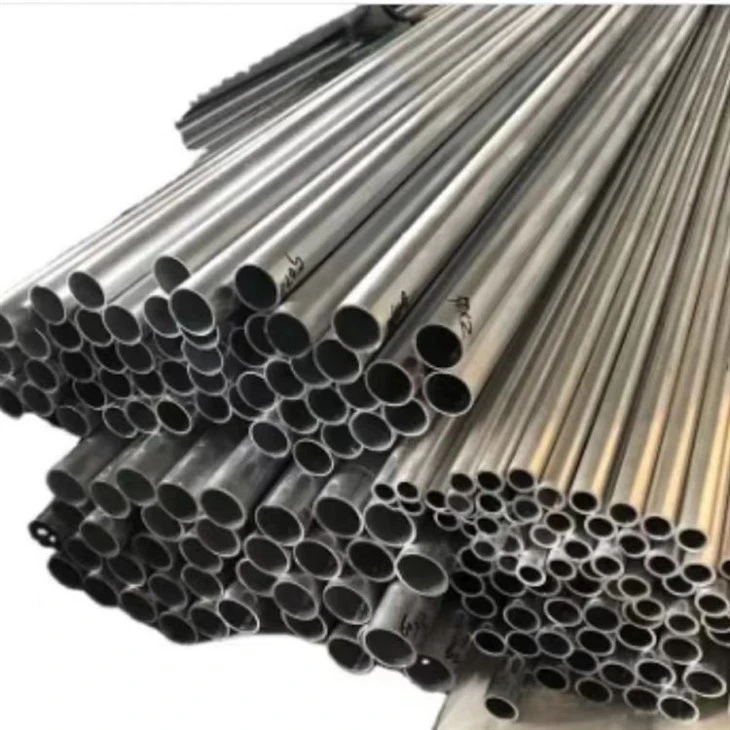
On the other hand, 6063 Aluminum Pipes are one of the most commonly used alloys for scaffolding. They offer a good balance of strength, corrosion resistance, and workability. The alloy is heat - treatable, which allows for the optimization of its mechanical properties. 6063 aluminum pipes can be extruded into various shapes and sizes, making them highly versatile for different scaffolding designs.
Advantages of Using Aluminum Pipes in Scaffolding
-
Lightweight: One of the most significant advantages of aluminum pipes is their low weight. Compared to steel pipes, aluminum pipes can be up to 70% lighter. This makes them easier to transport, handle, and install on the construction site. Workers can move the pipes around more quickly and with less physical effort, reducing the risk of injuries and increasing productivity. For large - scale construction projects, the reduced weight can also lead to lower transportation costs.
-
Corrosion Resistance: Aluminum naturally forms a thin oxide layer on its surface, which provides excellent protection against corrosion. This is particularly important in construction environments where the scaffolding may be exposed to moisture, chemicals, or harsh weather conditions. Unlike steel, aluminum pipes do not rust, which means they have a longer lifespan and require less maintenance. In coastal areas or industrial settings with high levels of pollution, the corrosion resistance of aluminum pipes can be a major advantage.
-
High Strength - to - Weight Ratio: Despite their low weight, aluminum pipes can offer sufficient strength for many scaffolding applications. The high strength - to - weight ratio allows for the design of lightweight yet sturdy scaffolding structures. This is especially beneficial for projects where the load - bearing capacity needs to be optimized without adding excessive weight.
-
Versatility: Aluminum pipes can be easily fabricated and customized to meet the specific requirements of different construction projects. They can be cut, bent, and welded to create various shapes and configurations. Hollow Aluminum Tube is a popular choice for scaffolding, as it provides a good balance between strength and weight. The hollow design also allows for the passage of cables or other utilities through the scaffolding structure.
Limitations of Using Aluminum Pipes in Scaffolding
- Cost: Aluminum pipes are generally more expensive than steel pipes. The higher cost is mainly due to the raw material and the manufacturing process. However, it is important to consider the long - term costs. The lower maintenance requirements and longer lifespan of aluminum pipes may offset the initial higher purchase price in some cases.
- Lower Fire Resistance: Aluminum has a relatively low melting point compared to steel. In the event of a fire, aluminum pipes may lose their structural integrity more quickly than steel pipes. This can be a concern in construction projects where fire safety is a major consideration. However, there are fire - resistant coatings and treatments available that can improve the fire performance of aluminum scaffolding.
- Lower Rigidity: Aluminum is less rigid than steel. This means that aluminum scaffolding may experience more deflection under load compared to steel scaffolding. In some applications where high rigidity is required, such as in heavy - duty industrial construction, this may be a limitation. However, proper design and engineering can minimize the deflection and ensure the safety of the scaffolding structure.
Practical Considerations for Using Aluminum Pipes in Scaffolding
- Design and Engineering: When using aluminum pipes for scaffolding, it is essential to have a proper design and engineering plan. The design should take into account the load - bearing requirements, the environmental conditions, and the specific characteristics of the aluminum alloy. A qualified engineer should be involved in the design process to ensure the safety and stability of the scaffolding structure.
- Installation and Assembly: The installation and assembly of aluminum scaffolding require proper training and expertise. Workers should be familiar with the specific installation procedures for aluminum pipes, including the use of appropriate connectors and fasteners. Improper installation can lead to structural weaknesses and safety hazards.
- Inspection and Maintenance: Regular inspection and maintenance are crucial for the safe use of aluminum scaffolding. The scaffolding should be inspected before each use and at regular intervals during the construction project. Any signs of damage, such as cracks or corrosion, should be addressed immediately.
Conclusion
In conclusion, aluminum pipes can be a viable option for construction scaffolding, especially in applications where lightweight, corrosion resistance, and versatility are important. While they have some limitations, such as higher cost and lower fire resistance, these can be mitigated through proper design, engineering, and maintenance. As an aluminum pipe supplier, I believe that aluminum pipes offer a competitive alternative to traditional steel pipes in the scaffolding market.
If you are considering using aluminum pipes for your next construction project, I encourage you to contact me for more information. I can provide you with detailed product specifications, technical support, and competitive pricing. Let's work together to find the best aluminum pipe solution for your scaffolding needs.
References
- "Aluminum Alloys for Structural Applications," ASM International Handbook Committee.
- "Scaffolding Design and Safety Standards," Construction Industry Research and Information Association.
- "Corrosion Resistance of Aluminum in Construction Environments," Journal of Materials in Civil Engineering.