


What is the surface finish of 1060 aluminum pipe?
As a trusted supplier of 1060 Aluminum Pipe, I am often asked about the surface finish of these pipes. Understanding the surface finish is crucial as it not only affects the aesthetics but also the functionality and durability of the 1060 aluminum pipe. In this blog, I will delve into the details of the surface finish of 1060 aluminum pipes, exploring its characteristics, common types, and impact on various applications.
Understanding 1060 Aluminum Pipe
Before we discuss the surface finish, let's briefly understand what 1060 aluminum pipe is. 1060 aluminum is a pure aluminum alloy with a minimum aluminum content of 99.6%. It is known for its excellent corrosion resistance, high ductility, and good electrical conductivity. These properties make 1060 aluminum pipe a popular choice in a wide range of industries, including electrical, chemical, and construction.
Importance of Surface Finish
The surface finish of a 1060 aluminum pipe plays a vital role in its overall performance. A smooth and uniform surface finish can enhance the corrosion resistance of the pipe by preventing the accumulation of moisture and contaminants. Additionally, a good surface finish can improve the pipe's aesthetics, making it suitable for applications where appearance is important. Moreover, the surface finish can affect the pipe's friction coefficient, which is crucial in applications such as fluid transportation.

Common Types of Surface Finish for 1060 Aluminum Pipe
There are several common types of surface finish for 1060 aluminum pipe, each with its own unique characteristics and applications.
Mill Finish
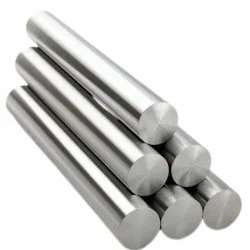
The mill finish is the most basic and commonly used surface finish for 1060 aluminum pipe. It is the natural finish that results from the manufacturing process, typically with a smooth and slightly shiny appearance. Mill finish pipes are suitable for applications where appearance is not a critical factor, such as in industrial piping systems. The mill finish provides a good balance between cost and performance, making it a cost - effective option for many applications. 1060 Aluminum Pipe
Anodized Finish
Anodizing is an electrochemical process that creates a protective oxide layer on the surface of the aluminum pipe. This process not only enhances the corrosion resistance of the 1060 aluminum pipe but also improves its wear resistance. Anodized finishes can be produced in a variety of colors, including clear, black, and gold, making them suitable for applications where aesthetics are important. Anodized 1060 aluminum pipes are commonly used in architectural applications, such as window frames and decorative panels.
Polished Finish
A polished finish gives the 1060 aluminum pipe a mirror - like appearance. This finish is achieved through a series of grinding and buffing processes to remove surface imperfections and create a smooth and reflective surface. Polished 1060 aluminum pipes are often used in high - end applications where a highly aesthetic appearance is required, such as in interior design and jewelry manufacturing.
Brushed Finish
The brushed finish creates a textured surface with fine parallel lines. This finish is achieved by brushing the surface of the aluminum pipe with abrasive materials. The brushed finish not only provides a unique aesthetic appeal but also helps to hide minor scratches and fingerprints. Brushed 1060 aluminum pipes are commonly used in consumer electronics and automotive applications.
Impact of Surface Finish on Applications
The choice of surface finish for 1060 aluminum pipe depends on the specific application requirements.
Electrical Applications
In electrical applications, such as electrical conduits and power transmission lines, the mill finish is often sufficient. The smooth surface of the mill finish allows for easy installation and reduces the risk of damage to electrical wires. However, in some cases where corrosion resistance is a concern, an anodized finish may be preferred.
Chemical Applications
In chemical applications, where the pipe is exposed to corrosive chemicals, an anodized finish or a special coating is essential. The protective oxide layer created by anodizing can prevent the aluminum pipe from reacting with the chemicals, ensuring long - term durability.
Construction Applications
In construction, the choice of surface finish depends on the aesthetic and functional requirements. For structural applications, the mill finish may be used, while for architectural applications, anodized or polished finishes are more common. For example, in building facades, anodized 1060 aluminum pipes can provide both corrosion resistance and an attractive appearance.
Comparison with Other Aluminum Products
When comparing the surface finish of 1060 aluminum pipe with other aluminum products such as Solid Aluminum Rod and Hollow Aluminum Tube, there are some similarities and differences.
The basic surface finish options, such as mill finish, anodized finish, polished finish, and brushed finish, are available for all these products. However, due to their different shapes and applications, the specific requirements for surface finish may vary. For example, a solid aluminum rod used in mechanical applications may require a high - precision surface finish to ensure proper fitting, while a hollow aluminum tube used in fluid transportation may need a smooth interior surface to reduce fluid resistance.
Quality Control of Surface Finish
As a supplier of 1060 aluminum pipe, we take quality control of the surface finish very seriously. We use advanced inspection equipment to ensure that the surface finish meets the relevant standards and customer requirements. For example, we measure the surface roughness, color consistency, and coating thickness to ensure the quality of the surface finish.
Conclusion
In conclusion, the surface finish of 1060 aluminum pipe is an important aspect that affects its performance, aesthetics, and suitability for different applications. Whether it is the basic mill finish, the corrosion - resistant anodized finish, the shiny polished finish, or the textured brushed finish, each type has its own unique advantages. As a professional 1060 Aluminum Pipe supplier, we are committed to providing high - quality products with different surface finishes to meet the diverse needs of our customers.
If you are interested in purchasing 1060 aluminum pipes or have any questions about surface finish, please feel free to contact us for a detailed discussion. We are looking forward to collaborating with you on your next project.
References
- Aluminum Association. Aluminum Standards and Data (latest edition).
- Modern Metals Handbook. (Publisher details)
- Journals related to aluminum alloys and surface treatment.