


In the realm of construction, steel plates are the unsung heroes, providing the structural backbone that holds buildings together. As a seasoned steel plate supplier, I've witnessed firsthand the critical role that steel plate quality plays in a building's safety. This blog post delves into the various aspects of how steel plate quality impacts building safety, drawing on my industry experience and knowledge.
1. Structural Integrity: The Foundation of Building Safety
The primary function of steel plates in a building is to provide structural support. High - quality steel plates are essential for maintaining the structural integrity of a building. They are designed to withstand various forces, such as gravity, wind, and seismic activity.
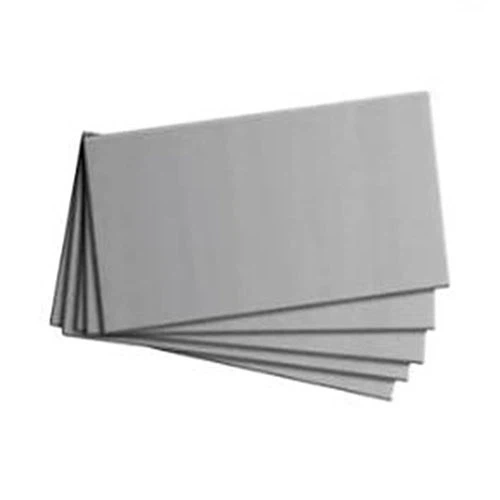

- Strength and Durability: High - quality steel plates, like S355 Steel, have superior strength and durability. These plates are able to resist deformation under heavy loads. For example, in high - rise buildings, steel plates need to support the weight of multiple floors and the people and equipment within them. A steel plate with insufficient strength may buckle or crack, leading to structural failure.
- Resistance to Corrosion: Corrosion is a major threat to the safety of steel structures. Low - quality steel plates are more prone to corrosion, which can weaken the steel over time. Corroded steel plates lose their cross - sectional area, reducing their load - bearing capacity. This can be particularly dangerous in coastal areas or industrial environments where the air contains high levels of moisture, salt, or chemicals. High - quality steel plates are often treated with anti - corrosion coatings, which significantly extend their lifespan and maintain their structural integrity.
2. Seismic Resistance: Protecting Buildings in Earthquake - Prone Areas
In regions prone to earthquakes, the quality of steel plates can mean the difference between a building that stands and one that collapses.
- Ductility: High - quality steel plates exhibit good ductility, which is the ability to deform without breaking. During an earthquake, the building experiences significant lateral forces. Ductile steel plates can absorb and dissipate the seismic energy through plastic deformation. This helps to prevent sudden and catastrophic failure. For instance, in a well - designed seismic - resistant building, the steel plates in the frame can bend and stretch, allowing the building to sway with the earthquake rather than breaking apart.
- Quality Control in Manufacturing: Precise manufacturing processes are crucial for producing steel plates with consistent properties. In the production of steel plates for seismic - resistant buildings, strict quality control measures are implemented to ensure that the plates meet the required standards. This includes controlling the chemical composition, grain structure, and heat treatment of the steel. A deviation in these factors can affect the seismic performance of the steel plates.
3. Fire Resistance: Ensuring Safety in Case of Fire
Fires pose a serious threat to building safety, and the quality of steel plates can influence a building's ability to withstand fire.
- Fire - Resistant Coatings: High - quality steel plates can be coated with fire - resistant materials. These coatings act as a barrier, slowing down the transfer of heat to the steel. In a fire, the temperature of the steel can rise rapidly, causing it to lose strength. A fire - resistant coating can help to maintain the strength of the steel plates for a longer period, giving occupants more time to evacuate the building.
- Heat - Resistant Steel Alloys: Some high - quality steel plates are made from heat - resistant alloys. These alloys are designed to retain their strength at high temperatures. For example, in industrial buildings where there is a higher risk of fire, heat - resistant steel plates can be used in critical structural components to enhance the building's fire safety.
4. Impact on Construction Quality and Safety
The quality of steel plates also has a direct impact on the construction process and the safety of construction workers.
- Ease of Fabrication: High - quality steel plates are easier to fabricate. They have consistent thickness, flatness, and surface finish, which makes it easier for construction workers to cut, weld, and assemble the plates. This reduces the likelihood of errors during the construction process. For example, a steel plate with uneven thickness may require additional work to ensure proper fitment, increasing the risk of accidents on the construction site.
- Safety Standards Compliance: As a steel plate supplier, we are committed to providing products that meet or exceed safety standards. High - quality steel plates are manufactured in accordance with national and international standards. This ensures that the steel plates used in construction are safe and reliable. Construction companies can have confidence in the quality of the steel plates they purchase, knowing that they are using materials that are suitable for the intended application.
5. Long - Term Maintenance and Cost - Effectiveness
Investing in high - quality steel plates can lead to long - term cost savings and improved building safety.
- Reduced Maintenance Costs: High - quality steel plates require less maintenance over their lifespan. Their resistance to corrosion and other forms of degradation means that there is less need for frequent inspections, repairs, and replacements. This not only saves money but also reduces the disruption to the building's occupants.
- Extended Building Lifespan: By using high - quality steel plates, the overall lifespan of a building can be extended. A building with a strong and durable steel structure is more likely to remain safe and functional for many years. This is particularly important for large - scale infrastructure projects, where the long - term cost - effectiveness of the construction materials is a key consideration.
Conclusion
In conclusion, the quality of steel plates has a profound impact on a building's safety. From providing structural integrity and seismic resistance to enhancing fire safety and construction quality, high - quality steel plates are essential for ensuring the long - term safety and reliability of buildings.
As a trusted steel plate supplier, we offer a wide range of high - quality steel plates, including S235jr S275jr S355jr Hot Rolled Steel Plate and S275jr Hot Rolled Steel Plate. Our products are manufactured using the latest technology and strict quality control measures to ensure that they meet the highest standards of safety and performance.
If you are involved in a construction project and are looking for high - quality steel plates, we invite you to contact us for more information. Our team of experts is ready to assist you in selecting the right steel plates for your specific needs.
References
- American Institute of Steel Construction (AISC). (2017). Specification for Structural Steel Buildings.
- International Building Code (IBC). (2018). Building Code Requirements for Structural Steel.
- National Fire Protection Association (NFPA). (2019). NFPA 5000: Building Construction and Safety Code.