


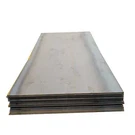
Hey there! As a carbon steel supplier, I often get asked about the hardness of carbon steel. So, I thought I'd write this blog to break it down for you in a way that's easy to understand.
First off, let's talk about what carbon steel is. Carbon steel is a type of steel that contains carbon as the main alloying element. The amount of carbon in carbon steel can vary, and this variation has a big impact on its properties, especially its hardness.
The hardness of carbon steel is mainly determined by two factors: the carbon content and the heat treatment process.
Carbon Content and Hardness
Carbon is like the secret sauce that gives carbon steel its hardness. Generally speaking, the higher the carbon content, the harder the steel. When carbon atoms are added to the iron lattice in steel, they disrupt the regular arrangement of iron atoms. This makes it more difficult for the iron atoms to slide past each other when a force is applied, which is what gives the steel its hardness.
Low - carbon steel typically contains less than 0.3% carbon. It's relatively soft and ductile, which means it can be easily formed into different shapes. This type of steel is often used in applications where formability is more important than hardness, like in the manufacturing of car bodies or pipes.
Medium - carbon steel has a carbon content between 0.3% and 0.6%. It strikes a balance between hardness and ductility. It's harder than low - carbon steel and can be heat - treated to increase its hardness even further. Medium - carbon steel is commonly used in machinery parts, such as gears and axles.
High - carbon steel contains more than 0.6% carbon. It's very hard and strong but less ductile. High - carbon steel is often used in applications where high hardness and wear resistance are required, like in cutting tools, springs, and knives. For example, a chef's knife made from high - carbon steel can hold a sharp edge for a long time because of its high hardness.
Heat Treatment and Hardness
Heat treatment is another crucial factor in determining the hardness of carbon steel. There are several heat treatment processes, and each one has a different effect on the steel's hardness.
Annealing
Annealing is a process where the steel is heated to a specific temperature and then slowly cooled. This process relieves internal stresses in the steel and makes it softer and more ductile. It's often used before machining or forming operations to make the steel easier to work with.
Normalizing
Normalizing is similar to annealing, but the steel is cooled in air instead of being slowly cooled in a furnace. Normalizing results in a more uniform grain structure and slightly higher hardness compared to annealing. It's used to improve the mechanical properties of the steel, such as strength and toughness.
Quenching
Quenching is a rapid cooling process. The steel is heated to a high temperature and then quickly cooled by immersing it in a quenching medium, such as water or oil. Quenching causes the formation of a very hard and brittle structure called martensite. However, quenched steel is often too brittle to be used directly, so it usually needs to be tempered.
Tempering
Tempering is done after quenching. The quenched steel is heated to a lower temperature and then cooled. Tempering reduces the brittleness of the quenched steel while still maintaining a relatively high level of hardness. It improves the toughness and ductility of the steel, making it suitable for practical applications.


Measuring the Hardness of Carbon Steel
There are several methods to measure the hardness of carbon steel. The most common ones are the Rockwell, Brinell, and Vickers hardness tests.
The Rockwell hardness test is quick and easy. A diamond cone or a hardened steel ball is pressed into the surface of the steel with a specific load, and the depth of the indentation is measured. The Rockwell hardness number is then determined based on the depth of the indentation.
The Brinell hardness test uses a hardened steel ball or a tungsten carbide ball to make an indentation on the steel surface under a large load. The diameter of the indentation is measured, and the Brinell hardness number is calculated.
The Vickers hardness test uses a square - based pyramid indenter to make an indentation on the steel surface. The diagonal length of the indentation is measured, and the Vickers hardness number is calculated.
Applications Based on Hardness
As a carbon steel supplier, I know that different applications require different levels of hardness.
For construction projects, low - to medium - carbon steel is often used. For example, S235jr Hr Coil is a popular choice. It has a relatively low carbon content, which gives it good formability and weldability. It's used in building structures, bridges, and general engineering applications.
In the automotive industry, medium - carbon steel is widely used for parts like crankshafts and connecting rods. These parts need to be strong and able to withstand high stresses, so the medium - carbon steel's balance of hardness and ductility is ideal.
In the manufacturing of cutting tools and industrial machinery, high - carbon steel is the go - to choice. Tools made from high - carbon steel can cut through other materials easily because of their high hardness.
Why Choose Our Carbon Steel?
As a carbon steel supplier, we take pride in providing high - quality carbon steel products. We source our steel from reliable mills and conduct strict quality control checks to ensure that our products meet the highest standards.
Our team of experts has in - depth knowledge of carbon steel and can help you choose the right type of steel for your specific application. Whether you need low - carbon steel for its formability or high - carbon steel for its hardness, we've got you covered.
If you're in the market for carbon steel, don't hesitate to reach out to us. We can provide you with detailed product information, samples, and competitive pricing. We're here to help you find the perfect carbon steel solution for your project.
Conclusion
The hardness of carbon steel is a complex but fascinating topic. It's determined by the carbon content and the heat treatment process, and it has a significant impact on the steel's properties and applications. As a carbon steel supplier, I'm always excited to share my knowledge and help customers find the right steel for their needs. So, if you have any questions about carbon steel hardness or if you're interested in purchasing our carbon steel products, just give us a shout. We're looking forward to working with you!
References
- "Steels: Processing, Structure, and Performance" by George Krauss
- "ASM Handbook Volume 4: Heat Treating" by ASM International