


Steel rods are indispensable materials in various industries, and the electrical industry is no exception. As a reliable steel rod supplier, I have witnessed firsthand the diverse applications of steel rods in the electrical field. In this blog, I will explore the multiple uses of steel rods in the electrical industry and highlight their significance.
1. Structural Support in Electrical Infrastructure
One of the primary uses of steel rods in the electrical industry is to provide structural support for electrical infrastructure. Electrical substations, power plants, and transmission towers require robust frameworks to withstand various environmental forces and ensure the safe and stable operation of electrical equipment.
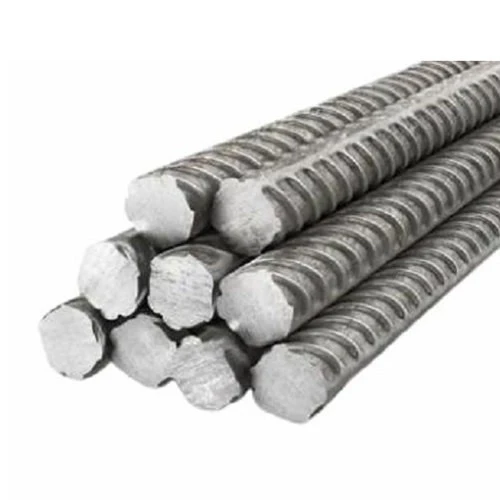
Steel rods, such as Ribbed Steel Rebar, are commonly used in the construction of concrete foundations for electrical substations. These rebars are embedded in the concrete to enhance its tensile strength, preventing cracks and structural failures. The ribs on the surface of the steel rebar increase the bond between the steel and the concrete, ensuring a strong and durable foundation.
In power plants, steel rods are used to construct the frames of boilers, turbines, and other large - scale electrical equipment. The high strength and excellent corrosion resistance of steel rods make them suitable for withstanding the high temperatures, pressures, and harsh chemical environments present in power generation processes.
Transmission towers, which are responsible for carrying high - voltage power lines over long distances, also rely on steel rods for their structural integrity. Steel rods are used to fabricate the lattice structures of these towers, providing a lightweight yet strong framework. The towers need to be able to withstand wind loads, ice accumulation, and seismic activity, and the use of steel rods ensures their stability and safety.
2. Conductive Components
Although copper is the most commonly used material for electrical conductors due to its high electrical conductivity, steel rods also have their place in certain conductive applications.
In some cases, steel rods can be used as grounding electrodes. Grounding is a crucial safety measure in the electrical industry, as it provides a low - resistance path for electrical current to flow into the ground in the event of a fault. Steel rods are driven into the ground near electrical equipment or substations to create a reliable grounding system. The relatively low cost and good mechanical properties of steel make it a practical choice for grounding applications.
Steel rods can also be used in combination with other conductive materials to form composite conductors. For example, in some overhead power lines, steel - cored aluminum conductors (ACSR) are used. The steel core provides the necessary mechanical strength to support the weight of the conductor and withstand the tension during installation and operation, while the aluminum outer layer provides the high electrical conductivity required for power transmission.
3. Magnetic Applications
Steel has magnetic properties, which make steel rods useful in various magnetic applications within the electrical industry.
Transformers are essential components in the electrical power grid, used to step up or step down voltage levels. The cores of many transformers are made of laminated steel sheets or steel rods. The magnetic properties of steel allow it to efficiently conduct magnetic flux, which is crucial for the operation of transformers. The laminated structure helps to reduce eddy current losses, improving the efficiency of the transformer.
Electric motors also rely on steel rods or steel laminations in their construction. The stator and rotor cores of electric motors are typically made of magnetic steel materials. The magnetic field generated by the current flowing through the coils interacts with the magnetic field of the steel core, causing the motor to rotate. The use of high - quality steel rods ensures the efficient operation and high performance of electric motors.
4. Protection and Enclosure
Steel rods are used to create protective enclosures for electrical equipment. Electrical cabinets, switchgear, and control panels are often made of steel to provide physical protection for the internal electrical components.
The high strength and durability of steel make it resistant to impact, corrosion, and fire. Electrical enclosures made of steel can protect the equipment from environmental factors such as dust, moisture, and mechanical damage. They also help to prevent unauthorized access to the electrical components, enhancing safety.
Steel rods can be used in the fabrication of the frames and structures of these enclosures. For example, cold - drawn steel rods, like Cold Drawn Wire, can be used to create the support structures for electrical cabinets. The precise dimensions and smooth surface finish of cold - drawn steel rods ensure the accurate assembly and proper functioning of the enclosures.
5. Reinforcement in Electrical Insulation
In some electrical insulation applications, steel rods are used for reinforcement purposes.
For example, in high - voltage cable insulation, steel rods can be embedded in the insulation layer to enhance its mechanical strength. High - voltage cables need to be able to withstand the mechanical stress during installation and operation, as well as the electrical stress caused by the high - voltage electric field. The addition of steel rods helps to prevent the insulation from cracking or deforming, ensuring the long - term reliability of the cable.
In some electrical insulators, such as porcelain insulators used in transmission lines, steel rods can be used as inserts or reinforcement elements. The steel rods provide additional strength to the porcelain insulator, making it more resistant to mechanical shock and environmental degradation.
Conclusion
In conclusion, steel rods play a vital role in the electrical industry, serving multiple functions from structural support to conductive and magnetic applications. Their high strength, durability, magnetic properties, and cost - effectiveness make them an ideal choice for a wide range of electrical applications.
As a steel rod supplier, we offer a variety of high - quality steel rod products, including Ribbed Steel Rebar, Cold Drawn Wire, and HRB500 Rebar. Our products are manufactured to meet the strict quality standards of the electrical industry, ensuring reliable performance and long - term service.

If you are in the electrical industry and are looking for a reliable steel rod supplier, we would be delighted to discuss your requirements. Whether you need steel rods for structural support, conductive applications, magnetic components, or any other electrical use, we have the expertise and products to meet your needs. Contact us today to start a procurement negotiation and find the best steel rod solutions for your projects.
References
- Groover, M. P. (2010). Fundamentals of Modern Manufacturing: Materials, Processes, and Systems. Wiley.
- Fitzgerald, A. E., Kingsley, C., Jr., & Umans, S. D. (2003). Electric Machinery. McGraw - Hill.
- Stevenson, W. D. (1982). Elements of Power System Analysis. McGraw - Hill.