


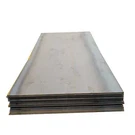
What are the environmental impacts of using Corten Steel?
As a supplier of Corten steel, I've witnessed firsthand the growing popularity of this material in various industries, from architecture to landscaping. Corten steel, also known as weathering steel, is renowned for its unique rust - like appearance and excellent corrosion resistance. However, as with any building material, it's essential to understand its environmental impacts.
1. Production Phase
The production of Corten steel involves a series of energy - intensive processes. Iron ore, the primary raw material, is mined from the earth. Mining operations can have significant environmental consequences, such as deforestation, soil erosion, and disruption of local ecosystems. The extraction process often requires large amounts of water, and the wastewater can contain heavy metals and other pollutants that may contaminate nearby water sources.
Once the iron ore is mined, it is transported to steel mills. The transportation of raw materials by trucks, trains, or ships consumes fossil fuels, contributing to greenhouse gas emissions. At the steel mill, the iron ore is smelted in a blast furnace, a process that requires a vast amount of energy, mostly derived from coal. The combustion of coal releases large quantities of carbon dioxide (CO₂), sulfur dioxide (SO₂), and particulate matter into the atmosphere. CO₂ is a major greenhouse gas that contributes to global warming, while SO₂ can cause acid rain, which has detrimental effects on forests, lakes, and wildlife.
However, it's important to note that the steel industry has made significant progress in recent years to reduce its environmental footprint. Many modern steel mills are adopting more energy - efficient technologies, such as electric arc furnaces, which use recycled steel as a raw material. This not only reduces the demand for virgin iron ore but also consumes less energy compared to traditional blast furnaces.
2. Durability and Longevity
One of the most significant environmental benefits of Corten steel is its durability. Unlike many other materials, Corten steel forms a protective oxide layer on its surface when exposed to the elements. This layer, commonly known as rust, acts as a barrier that prevents further corrosion. As a result, Corten steel structures can last for decades without the need for frequent maintenance or replacement.
The long lifespan of Corten steel means that fewer resources are required over time. For example, in a building project, using Corten steel for structural elements can reduce the need for regular painting or coating, which not only saves time and labor but also reduces the consumption of paint and solvents. These paints and solvents often contain volatile organic compounds (VOCs), which can be harmful to human health and the environment.
Moreover, the reduced need for replacement means less waste generation. When a building or structure reaches the end of its useful life, the Corten steel can be recycled. Steel is one of the most recycled materials in the world, with a recycling rate of over 90% in many countries. Recycling steel requires only a fraction of the energy needed to produce new steel from virgin materials, which helps to conserve natural resources and reduce greenhouse gas emissions.
3. Aesthetic and Functional Advantages in Reducing Environmental Impact
Corten steel's unique aesthetic can also have positive environmental implications. Its natural rust - colored appearance allows it to blend seamlessly with the surrounding environment, reducing the need for additional landscaping or decorative elements. In urban areas, Corten steel structures can add an industrial - chic touch to the landscape while minimizing the visual impact on the environment.
In addition, Corten steel can be used in a variety of applications that contribute to environmental sustainability. For example, in water management projects, Corten steel can be used to construct retention ponds or stormwater channels. Its corrosion resistance ensures that these structures can withstand the harsh conditions of water exposure, reducing the risk of leaks and contamination.
4. Comparison with Other Materials
When comparing Corten steel with other materials, such as Carbon Steel Sheet and Wear Resistant Steel, it's clear that Corten steel has some distinct environmental advantages.
Carbon steel sheets, while widely used, are more prone to corrosion and often require regular painting or coating to prevent rusting. The painting process not only consumes resources but also releases VOCs into the atmosphere. Wear - resistant steel, on the other hand, is designed for high - wear applications, but it may not have the same natural corrosion - resistant properties as Corten steel. This means that wear - resistant steel structures may need more frequent maintenance or replacement, leading to increased resource consumption and waste generation.
5. End - of - Life Considerations
As mentioned earlier, the recyclability of Corten steel is a significant environmental benefit. At the end of its useful life, Corten steel can be easily recycled and used to produce new steel products. The recycling process involves melting the steel down and re - purifying it, which requires much less energy compared to the production of new steel from iron ore.
However, it's important to ensure that the recycling process is carried out in an environmentally responsible manner. Some recycling facilities may still use outdated technologies that produce significant amounts of pollution. Therefore, it's crucial for suppliers and consumers to choose recycling facilities that adhere to strict environmental standards.


6. Conclusion and Call to Action
In conclusion, the use of Corten steel has both positive and negative environmental impacts. While its production phase can be energy - intensive and have some environmental drawbacks, its durability, recyclability, and aesthetic and functional advantages make it a relatively sustainable choice in the long run.
As a Corten steel supplier, I am committed to promoting the responsible use of this material. We work closely with our customers to ensure that they understand the environmental implications of using Corten steel and how to minimize its negative impacts. We also support the development of more sustainable steel production and recycling technologies.
If you are considering using Corten steel in your next project, I encourage you to contact me for more information. We can discuss your specific needs and help you make an informed decision. Whether you are an architect, a contractor, or a DIY enthusiast, we have the expertise and the products to meet your requirements. Let's work together to build a more sustainable future with Corten steel.
References
- "The Environmental Impact of the Steel Industry." World Steel Association.
- "Durability and Corrosion Resistance of Weathering Steel." Journal of Materials Science.
- "Recycling of Steel: A Review of Current Practices and Future Trends." Recycling Research Institute.