


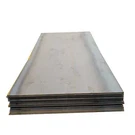
As a carbon steel supplier, I've often been asked whether carbon steel is easy to machine. This question is crucial for manufacturers, fabricators, and DIY enthusiasts alike, as the machinability of a material can significantly impact production efficiency, cost, and the quality of the final product. In this blog post, I'll delve into the factors that affect the machinability of carbon steel, explore its advantages and challenges in machining, and provide some practical tips for successful machining operations.
Understanding Carbon Steel
Carbon steel is an alloy primarily composed of iron and carbon, with small amounts of other elements such as manganese, silicon, sulfur, and phosphorus. The carbon content in carbon steel typically ranges from 0.05% to 2.1%, which significantly influences its mechanical properties, including hardness, strength, and ductility. Based on the carbon content, carbon steel can be classified into three main categories: low carbon steel (less than 0.3% carbon), medium carbon steel (0.3% - 0.6% carbon), and high carbon steel (more than 0.6% carbon).
Factors Affecting the Machinability of Carbon Steel
Several factors can affect the machinability of carbon steel, including its chemical composition, hardness, microstructure, and the machining conditions. Let's take a closer look at each of these factors:
Chemical Composition
The chemical composition of carbon steel plays a crucial role in determining its machinability. As mentioned earlier, the carbon content is one of the most important factors. Generally, low carbon steel is easier to machine than medium or high carbon steel because it has lower hardness and higher ductility. Other alloying elements, such as manganese, sulfur, and phosphorus, can also affect machinability. For example, sulfur can improve machinability by forming sulfide inclusions that act as chip breakers, while phosphorus can increase the hardness and brittleness of the steel, making it more difficult to machine.
Hardness
Hardness is another critical factor that affects the machinability of carbon steel. Harder steels are more difficult to machine because they require higher cutting forces and can cause more wear on the cutting tools. In general, the machinability of carbon steel decreases as its hardness increases. However, some heat treatment processes, such as annealing, can reduce the hardness of the steel and improve its machinability.
Microstructure
The microstructure of carbon steel can also have a significant impact on its machinability. For example, a fine-grained microstructure is generally more favorable for machining than a coarse-grained microstructure because it provides better surface finish and reduces the risk of tool wear. Heat treatment processes, such as quenching and tempering, can be used to control the microstructure of carbon steel and improve its machinability.
Machining Conditions
The machining conditions, including the cutting speed, feed rate, depth of cut, and cutting tool geometry, also play an important role in determining the machinability of carbon steel. Optimal machining conditions can help to reduce cutting forces, improve surface finish, and extend the tool life. For example, using a high-speed steel (HSS) or carbide cutting tool with the appropriate geometry can significantly improve the machinability of carbon steel.
Advantages of Machining Carbon Steel
Despite the challenges associated with machining carbon steel, it also offers several advantages that make it a popular choice for a wide range of applications. Here are some of the key advantages of machining carbon steel:
Good Machinability
As mentioned earlier, low carbon steel is relatively easy to machine, making it a popular choice for applications that require high production rates and tight tolerances. With the right machining conditions and cutting tools, carbon steel can be machined to achieve excellent surface finish and dimensional accuracy.
High Strength and Durability
Carbon steel is known for its high strength and durability, which makes it suitable for applications that require components to withstand heavy loads and harsh environments. Machined carbon steel components can be used in a variety of industries, including automotive, aerospace, construction, and manufacturing.
Cost-Effective
Carbon steel is a cost-effective material compared to other metals, such as stainless steel and aluminum. This makes it an attractive option for applications where cost is a major consideration. Additionally, the availability of carbon steel in various forms, such as bars, sheets, and tubes, makes it easy to source and process.
Weldability
Carbon steel has good weldability, which means it can be easily joined to other components using welding techniques. This makes it a versatile material for fabricating complex structures and assemblies.
Challenges of Machining Carbon Steel
While carbon steel offers many advantages in machining, it also presents some challenges that need to be addressed to ensure successful machining operations. Here are some of the key challenges of machining carbon steel:
Tool Wear
Carbon steel can be abrasive, which can cause significant wear on the cutting tools. This can result in reduced tool life, increased tool costs, and poor surface finish. To minimize tool wear, it is important to use the appropriate cutting tools and machining conditions, such as high-speed steel or carbide tools and proper cutting speeds and feed rates.
Chip Formation
The chip formation during machining of carbon steel can be a challenge, especially when machining high carbon steel. High carbon steel tends to produce long, continuous chips that can wrap around the cutting tool and cause problems such as tool breakage and poor surface finish. To overcome this challenge, it is important to use chip breakers or appropriate cutting tool geometries to control the chip formation.


Heat Generation
Machining carbon steel can generate a significant amount of heat, which can cause thermal damage to the workpiece and the cutting tool. This can result in reduced tool life, poor surface finish, and dimensional inaccuracies. To minimize heat generation, it is important to use coolant or lubricant during machining operations and to optimize the cutting speed and feed rate.
Tips for Successful Machining of Carbon Steel
To ensure successful machining of carbon steel, here are some practical tips that you can follow:
Select the Right Cutting Tools
The choice of cutting tools is crucial for successful machining of carbon steel. High-speed steel (HSS) or carbide cutting tools are commonly used for machining carbon steel. Carbide tools are generally more expensive but offer better performance and longer tool life than HSS tools. When selecting cutting tools, it is important to consider the type of carbon steel being machined, the machining operation, and the desired surface finish.
Optimize the Machining Conditions
The machining conditions, including the cutting speed, feed rate, and depth of cut, can significantly affect the machinability of carbon steel. It is important to optimize these parameters to achieve the best results. Generally, a higher cutting speed and feed rate can increase the production rate, but they can also increase the tool wear and heat generation. Therefore, it is important to find the right balance between productivity and tool life.
Use Coolant or Lubricant
Using coolant or lubricant during machining operations can help to reduce heat generation, minimize tool wear, and improve surface finish. Coolants can also help to flush away chips and debris from the cutting zone, preventing them from causing damage to the workpiece and the cutting tool. There are different types of coolants and lubricants available, and the choice depends on the type of carbon steel being machined and the machining operation.
Control the Chip Formation
As mentioned earlier, the chip formation during machining of carbon steel can be a challenge. To control the chip formation, it is important to use chip breakers or appropriate cutting tool geometries. Chip breakers are designed to break the chips into small, manageable pieces, preventing them from wrapping around the cutting tool and causing problems.
Perform Regular Maintenance
Regular maintenance of the machining equipment and cutting tools is essential for ensuring consistent performance and prolonging their lifespan. This includes cleaning the equipment, checking the cutting tools for wear and damage, and replacing them when necessary.
Conclusion
In conclusion, carbon steel can be relatively easy to machine, especially low carbon steel, when the right machining conditions and cutting tools are used. However, it also presents some challenges, such as tool wear, chip formation, and heat generation, that need to be addressed to ensure successful machining operations. By understanding the factors that affect the machinability of carbon steel and following the tips provided in this blog post, you can achieve excellent results when machining carbon steel.
If you're in the market for high-quality carbon steel products, including S235jr Hr Coil, please don't hesitate to contact us. We're here to provide you with the best solutions for your machining needs. Whether you're a large manufacturer or a small DIY enthusiast, we can offer you the right carbon steel products at competitive prices. Reach out to us today to start discussing your requirements and explore the possibilities of working together.
References
- ASM Handbook, Volume 16: Machining, ASM International
- Machining of Metals: An Introduction to the Nontraditional Processes, Robert H. Perry
- Manufacturing Engineering and Technology, S. Kalpakjian and S. R. Schmid