


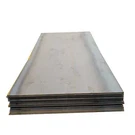
As a carbon steel supplier, I've witnessed firsthand the challenges and importance of reducing the friction of carbon steel. Friction in carbon steel applications can lead to a multitude of issues, including increased wear and tear, energy loss, and reduced efficiency. In this blog post, I'll share some effective strategies to help you minimize friction and enhance the performance of carbon steel in various settings.
Understanding the Causes of Friction in Carbon Steel
Before delving into solutions, it's crucial to understand the factors that contribute to friction in carbon steel. Friction primarily occurs due to the interaction between the surfaces of two materials in contact. In the case of carbon steel, several elements can exacerbate this interaction:
- Surface Roughness: Microscopic irregularities on the surface of carbon steel can cause increased friction when it comes into contact with other materials. These roughness peaks can interlock, leading to resistance and wear.
- Lubrication: Insufficient or improper lubrication can significantly increase friction. Lubricants play a vital role in separating the contacting surfaces, reducing direct metal-to-metal contact and minimizing wear.
- Corrosion: Rust and corrosion can roughen the surface of carbon steel, increasing friction and potentially causing damage to the material.
- Load and Pressure: Higher loads and pressures applied to carbon steel can increase the contact force between surfaces, leading to greater friction.
Strategies to Reduce Friction in Carbon Steel
Surface Treatment
One of the most effective ways to reduce friction in carbon steel is through surface treatment. By modifying the surface properties of the steel, you can minimize roughness and improve its tribological performance. Here are some common surface treatment methods:
- Polishing: Polishing the surface of carbon steel can reduce roughness and create a smoother finish. This process involves using abrasive materials to remove surface irregularities, resulting in lower friction coefficients.
- Coating: Applying a coating to the carbon steel surface can provide a protective barrier and reduce friction. Coatings such as polymers, ceramics, and metal alloys can improve the surface hardness, reduce wear, and enhance lubrication. For example, a diamond-like carbon (DLC) coating can significantly reduce friction and improve the wear resistance of carbon steel.
- Heat Treatment: Heat treatment processes, such as annealing and quenching, can alter the microstructure of carbon steel, improving its mechanical properties and reducing friction. Annealing can relieve internal stresses and make the steel more ductile, while quenching can increase hardness and wear resistance.
Lubrication
Proper lubrication is essential for reducing friction in carbon steel. Lubricants can form a thin film between the contacting surfaces, preventing direct metal-to-metal contact and reducing wear. Here are some lubrication options for carbon steel:
- Oil-Based Lubricants: Oil-based lubricants are commonly used in carbon steel applications due to their excellent lubricating properties. They can reduce friction, dissipate heat, and protect the steel from corrosion. Mineral oils, synthetic oils, and vegetable oils are all suitable options, depending on the specific application requirements.
- Grease: Grease is a semi-solid lubricant that consists of oil and a thickening agent. It offers good adhesion and can provide long-lasting lubrication, making it ideal for applications where continuous lubrication is required. Grease is commonly used in bearings, gears, and other moving parts.
- Solid Lubricants: Solid lubricants, such as graphite and molybdenum disulfide (MoS2), can be used in high-temperature or high-pressure applications where traditional lubricants may not be suitable. These lubricants can form a thin, low-friction film on the surface of the carbon steel, reducing wear and improving performance.
Material Selection
Choosing the right type of carbon steel for your application can also help reduce friction. Different grades of carbon steel have varying properties, such as hardness, ductility, and corrosion resistance. By selecting a steel grade that is suitable for the specific operating conditions, you can minimize friction and improve the overall performance of the material.


- Low-Carbon Steel: Low-carbon steel, also known as mild steel, contains less than 0.3% carbon. It is relatively soft and ductile, making it easy to machine and form. Low-carbon steel is often used in applications where low friction and high formability are required, such as automotive parts and consumer goods.
- High-Carbon Steel: High-carbon steel contains between 0.6% and 1.5% carbon. It is harder and more wear-resistant than low-carbon steel, making it suitable for applications where high strength and durability are needed, such as cutting tools and springs.
- Alloy Steel: Alloy steel is a type of carbon steel that contains additional elements, such as chromium, nickel, and molybdenum. These alloying elements can improve the mechanical properties of the steel, such as hardness, strength, and corrosion resistance. Alloy steel is commonly used in high-performance applications, such as aerospace and automotive components.
Design Optimization
In addition to surface treatment, lubrication, and material selection, optimizing the design of carbon steel components can also help reduce friction. By considering the following design principles, you can minimize the contact area between surfaces and improve the overall efficiency of the system:
- Reduce Contact Pressure: By distributing the load evenly across the contacting surfaces, you can reduce the contact pressure and minimize friction. This can be achieved by using larger contact areas, optimizing the shape of the components, and avoiding sharp edges or corners.
- Minimize Surface Area in Contact: Reducing the surface area in contact between the carbon steel and other materials can also help reduce friction. This can be accomplished by using rolling or sliding contact instead of direct contact, or by using bearings or bushings to separate the surfaces.
- Improve Alignment: Proper alignment of carbon steel components is crucial for reducing friction. Misaligned components can cause uneven wear and increased friction, leading to premature failure. By ensuring that the components are properly aligned, you can minimize friction and improve the performance of the system.
Real-World Applications
Reducing the friction of carbon steel is essential in a wide range of industries and applications. Here are some examples of how these strategies can be applied in real-world scenarios:
- Automotive Industry: In the automotive industry, reducing friction in carbon steel components such as engines, transmissions, and brakes can improve fuel efficiency, reduce emissions, and enhance performance. Surface treatment, lubrication, and design optimization techniques can be used to minimize friction and wear in these components, resulting in longer service life and lower maintenance costs.
- Manufacturing Industry: In the manufacturing industry, carbon steel is widely used in machinery and equipment. By reducing friction in these components, manufacturers can improve productivity, reduce energy consumption, and increase the reliability of their systems. Surface treatment and lubrication can help prevent wear and tear, while design optimization can improve the efficiency of the manufacturing process.
- Aerospace Industry: In the aerospace industry, reducing friction in carbon steel components such as landing gear, engine parts, and structural components is critical for ensuring the safety and performance of aircraft. Surface treatment, lubrication, and material selection techniques can be used to minimize friction and wear in these components, even under extreme operating conditions.
Conclusion
Reducing the friction of carbon steel is a complex but achievable goal. By understanding the causes of friction and implementing effective strategies such as surface treatment, lubrication, material selection, and design optimization, you can minimize friction, improve performance, and extend the service life of carbon steel components. As a carbon steel supplier, I'm committed to providing high-quality products and solutions that meet the needs of our customers. If you have any questions or need assistance with reducing the friction of carbon steel in your application, please don't hesitate to [contact us] for more information and to discuss your specific requirements.
References
- ASTM International. (2022). Standard Specification for Carbon Structural Steel. ASTM A36/A36M - 22.
- Bhushan, B. (2013). Principles and Applications of Tribology. John Wiley & Sons.
- Holmberg, K., & Erdemir, A. (2017). Influence of tribology on global energy consumption, costs and emissions. Friction, 5(3), 263-284.
- Mishra, R. K., & Mahapatra, M. M. (2016). Surface Engineering for Tribology. Elsevier.