


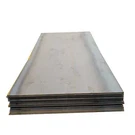
Painting an aluminum sheet can significantly enhance its aesthetic appeal and provide additional protection against corrosion and wear. As an aluminum sheet supplier, I've had extensive experience with various types of aluminum sheets, such as Decorative Aluminum Sheet, 3003 Aluminum Sheet, and 5083 Aluminum Plates. In this blog, I'll share a comprehensive guide on how to paint an aluminum sheet effectively.


Understanding Aluminum Sheets
Before delving into the painting process, it's crucial to understand the characteristics of aluminum sheets. Aluminum is a lightweight, corrosion - resistant metal. However, its smooth surface and natural oxide layer can pose challenges when it comes to paint adhesion. Different alloys, like the 3003 and 5083 mentioned earlier, have unique properties. The 3003 aluminum sheet is known for its good formability and moderate strength, while the 5083 aluminum plates offer high strength and excellent corrosion resistance in marine environments. Decorative aluminum sheets are often used for their aesthetic value in architectural and interior design applications.
Pre - painting Preparation
Cleaning the Aluminum Sheet
The first step in painting an aluminum sheet is to clean it thoroughly. Dirt, grease, and oxidation on the surface can prevent the paint from adhering properly. Start by using a mild detergent and warm water. A non - abrasive sponge or cloth can be used to gently scrub the sheet. Rinse the sheet with clean water and let it dry completely. For more stubborn stains or grease, a degreaser can be used. Make sure to follow the manufacturer's instructions when using a degreaser, and rinse the sheet thoroughly afterward.
Sanding the Surface
After cleaning, sanding the aluminum sheet is essential to create a rough surface for better paint adhesion. Use fine - grit sandpaper (around 220 - 320 grit). Sand the entire surface of the sheet in a consistent direction. This will not only remove any remaining oxidation but also provide a micro - rough texture for the paint to grip onto. After sanding, wipe the sheet with a clean, dry cloth to remove any dust particles.
Etching (Optional but Recommended)
Etching the aluminum sheet can further improve paint adhesion. An aluminum etchant can be applied according to the product's instructions. Etching creates a chemical reaction on the surface of the aluminum, making it more receptive to paint. After applying the etchant, rinse the sheet thoroughly with water and let it dry completely.
Selecting the Right Paint
Type of Paint
There are several types of paint suitable for aluminum sheets. Acrylic paint is a popular choice because it is easy to apply, dries quickly, and offers good durability. Enamel paint provides a hard, glossy finish and is more resistant to scratches and chemicals. For outdoor applications where the sheet will be exposed to harsh weather conditions, a high - quality exterior paint should be used. Consider the specific requirements of your project when choosing the type of paint.
Primer
Using a primer is highly recommended for painting aluminum sheets. A primer acts as a bonding layer between the aluminum surface and the topcoat. Look for a primer specifically designed for aluminum. It will help the paint adhere better and provide additional corrosion protection. Apply the primer evenly using a brush, roller, or spray gun. Follow the manufacturer's instructions regarding the number of coats and drying time between coats.
Painting the Aluminum Sheet
Applying the Primer
Once the primer is selected, it's time to apply it. If using a brush, start at one corner of the sheet and apply the primer in smooth, even strokes. Work in small sections to ensure an even application. If using a roller, choose a roller with a short nap for a smooth finish. When using a spray gun, hold the gun about 8 - 10 inches away from the sheet and move it in a steady, overlapping motion. Apply the primer in thin coats, allowing each coat to dry completely before applying the next one.
Applying the Topcoat
After the primer has dried completely (usually according to the manufacturer's recommended drying time), it's time to apply the topcoat. Follow the same application method as used for the primer. Apply the topcoat in thin, even layers. Multiple thin coats are better than one thick coat, as thick coats can lead to drips, runs, and uneven drying. Let each coat dry for the recommended time before applying the next one.
Post - painting Care
Drying Time
Allow the painted aluminum sheet to dry completely. The drying time can vary depending on the type of paint, environmental conditions (such as temperature and humidity), and the number of coats applied. Generally, acrylic paint may dry to the touch within a few hours, but it can take up to a few days to fully cure. Enamel paint may take longer to dry and cure.
Curing
Curing is the process by which the paint fully hardens and develops its maximum durability. During the curing period, avoid touching or moving the painted sheet as much as possible. Follow the manufacturer's instructions regarding the curing time. In some cases, the sheet may need to be left in a well - ventilated area for a week or more to fully cure.
Quality Control
Inspecting the Finish
After the paint has dried and cured, inspect the finish of the aluminum sheet. Look for any runs, drips, or uneven areas. If there are minor imperfections, they can sometimes be sanded lightly with fine - grit sandpaper and then touched up with a small amount of paint. If there are significant problems, the sheet may need to be repainted.
Conclusion
Painting an aluminum sheet is a process that requires careful preparation, the right materials, and proper application techniques. By following the steps outlined in this guide, you can achieve a high - quality, durable paint finish on your aluminum sheet. Whether you are using a Decorative Aluminum Sheet for an interior design project or a 3003 Aluminum Sheet for a functional application, a well - painted sheet will not only look great but also last longer.
If you are in need of high - quality aluminum sheets for your painting projects or any other applications, we are here to assist you. We offer a wide range of aluminum sheets, including Decorative Aluminum Sheet, 3003 Aluminum Sheet, and 5083 Aluminum Plates. Contact us to discuss your specific requirements and start your project with confidence.
References
- Aluminum Association. "Aluminum Alloys: Properties and Applications."
- Paint Manufacturer's Product Guides for Aluminum - specific Paints and Primers.
- Professional Painting Guides for Metal Surfaces.