


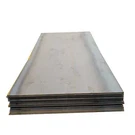
Accurately measuring the thickness of GI (Galvanized Iron) steel coil is crucial for both quality control and compliance with industry standards. As a trusted GI Steel Coil supplier, I understand the significance of this measurement in ensuring the performance and durability of our products. In this blog post, I will share some effective methods and best practices for measuring the thickness of GI steel coil accurately.
Why Accurate Thickness Measurement Matters
Before delving into the measurement methods, it's important to understand why accurate thickness measurement is so important. The thickness of a GI steel coil directly affects its strength, corrosion resistance, and overall performance. If the coil is too thin, it may not provide the necessary structural support or protection against corrosion. On the other hand, if it is too thick, it can lead to unnecessary weight and cost.
Accurate thickness measurement also ensures compliance with industry standards and customer specifications. Many industries, such as construction, automotive, and manufacturing, have strict requirements for the thickness of GI steel coils. By providing coils with the correct thickness, we can ensure that our customers' products meet these standards and perform as expected.
Methods for Measuring the Thickness of GI Steel Coil
There are several methods available for measuring the thickness of GI steel coil, each with its own advantages and limitations. Here are some of the most commonly used methods:
1. Micrometer
A micrometer is a precision measuring instrument that can provide highly accurate thickness measurements. It consists of a calibrated screw mechanism that allows for precise adjustment and measurement of small distances. To measure the thickness of a GI steel coil using a micrometer, follow these steps:
- Clean the surface of the coil to remove any dirt, debris, or rust.
- Place the coil between the anvil and spindle of the micrometer.
- Gently turn the thimble until the spindle makes contact with the coil.
- Read the measurement on the sleeve and thimble of the micrometer.
Micrometers are suitable for measuring the thickness of individual sheets or small sections of a coil. They are relatively easy to use and can provide measurements with an accuracy of up to 0.001 mm. However, they are not suitable for measuring the thickness of large coils or coils with irregular surfaces.
2. Ultrasonic Thickness Gauge
An ultrasonic thickness gauge is a non-destructive testing device that uses ultrasonic waves to measure the thickness of a material. It works by sending ultrasonic waves through the material and measuring the time it takes for the waves to reflect back from the opposite surface. The thickness of the material can then be calculated based on the speed of sound in the material and the time of flight of the ultrasonic waves.
To measure the thickness of a GI steel coil using an ultrasonic thickness gauge, follow these steps:
- Apply a thin layer of coupling fluid to the surface of the coil to ensure good acoustic contact.
- Place the transducer of the thickness gauge on the surface of the coil and press the measurement button.
- Read the thickness measurement on the display of the thickness gauge.
Ultrasonic thickness gauges are suitable for measuring the thickness of large coils or coils with irregular surfaces. They are non-destructive and can provide measurements quickly and accurately. However, they require a skilled operator and may not be suitable for measuring the thickness of very thin coils or coils with a high degree of surface roughness.
3. Eddy Current Thickness Gauge
An eddy current thickness gauge is another non-destructive testing device that can be used to measure the thickness of a GI steel coil. It works by generating an alternating magnetic field in the coil and measuring the eddy currents induced in the material. The thickness of the material can then be calculated based on the strength of the eddy currents and the properties of the material.
To measure the thickness of a GI steel coil using an eddy current thickness gauge, follow these steps:
- Place the probe of the thickness gauge on the surface of the coil and press the measurement button.
- Read the thickness measurement on the display of the thickness gauge.
Eddy current thickness gauges are suitable for measuring the thickness of thin coils or coils with a non-magnetic coating. They are non-destructive and can provide measurements quickly and accurately. However, they may be affected by the presence of magnetic fields or other metallic objects in the vicinity of the coil.
4. X-ray Fluorescence (XRF) Thickness Gauge
An X-ray fluorescence (XRF) thickness gauge is a non-destructive testing device that can be used to measure the thickness of a GI steel coil and the thickness of the zinc coating on the surface of the coil. It works by irradiating the coil with X-rays and measuring the fluorescent radiation emitted by the zinc coating. The thickness of the zinc coating can then be calculated based on the intensity of the fluorescent radiation and the properties of the zinc coating.
To measure the thickness of a GI steel coil using an XRF thickness gauge, follow these steps:
- Place the coil in the measurement chamber of the XRF thickness gauge.
- Close the chamber and start the measurement process.
- Read the thickness measurement of the coil and the zinc coating on the display of the XRF thickness gauge.
XRF thickness gauges are suitable for measuring the thickness of coils with a zinc coating. They are non-destructive and can provide measurements quickly and accurately. However, they are relatively expensive and require a skilled operator.
Best Practices for Accurate Thickness Measurement
In addition to choosing the right measurement method, there are several best practices that can help ensure accurate thickness measurement of GI steel coil. Here are some tips:
- Calibrate the measuring instrument regularly: To ensure accurate measurements, it is important to calibrate the measuring instrument regularly using a known standard. This will help to compensate for any changes in the instrument's performance over time.
- Take multiple measurements: To reduce the risk of measurement errors, it is recommended to take multiple measurements at different locations on the coil. This will help to ensure that the measurement is representative of the overall thickness of the coil.
- Use the correct measuring technique: Different measuring techniques may be required depending on the type of measuring instrument and the surface condition of the coil. It is important to follow the manufacturer's instructions carefully and use the correct measuring technique to obtain accurate measurements.
- Record and document the measurements: To ensure traceability and quality control, it is important to record and document the thickness measurements of each coil. This will help to identify any trends or issues and ensure that the coils meet the required specifications.
Conclusion
Accurately measuring the thickness of GI steel coil is essential for ensuring the quality and performance of our products. By choosing the right measurement method and following best practices, we can obtain accurate thickness measurements and provide our customers with coils that meet their requirements.
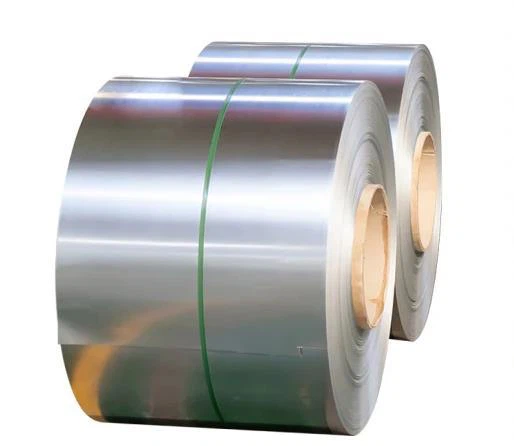
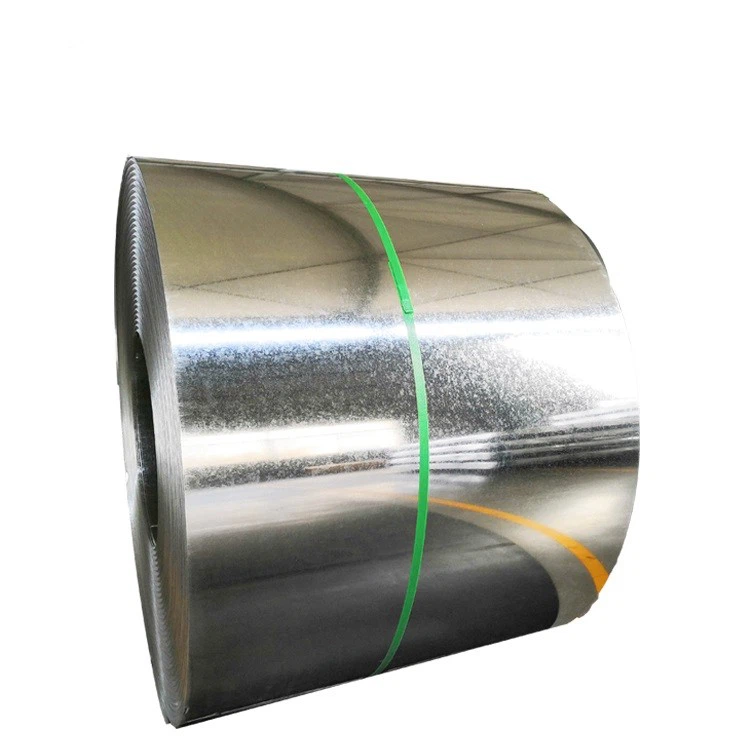
If you are interested in purchasing high-quality GI steel coils, please visit our website to learn more about our Steel Coil GI Sheet, Gi Coil, and Galvanized Steel Coil. We are committed to providing our customers with the best products and services, and we look forward to working with you.
References
- ASTM A653/A653M - Standard Specification for Steel Sheet, Zinc-Coated (Galvanized) or Zinc-Iron Alloy-Coated (Galvannealed) by the Hot-Dip Process
- ISO 1461 - Hot-dip galvanized coatings on fabricated iron and steel articles - Specifications and test methods
- ASME B46.1 - Surface Texture (Surface Roughness, Waviness, and Lay)