


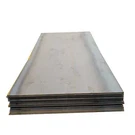
How to install Galvalume steel roofing?
Galvalume steel roofing has gained significant popularity in recent years due to its exceptional durability, corrosion resistance, and aesthetic appeal. As a trusted Galvalume Steel supplier, I am here to guide you through the process of installing Galvalume steel roofing, ensuring a successful and long - lasting installation.
1. Preparation
Before you start the installation process, thorough preparation is crucial. First, you need to measure the area of your roof accurately. This will help you determine the quantity of Galvalume Steel Coil or Galvalume Roof Sheet you need to purchase. Make sure to account for any overhangs or special features of your roof design.
Next, check the roof structure. Ensure that the rafters and sheathing are in good condition. Any damaged or weak areas should be repaired or replaced before installing the Galvalume steel roofing. A solid foundation is essential to support the weight of the roofing and prevent future problems.
Gather all the necessary tools and materials. You will need a ladder, safety harness, roofing nails or screws, a chalk line, tin snips, a drill, and a measuring tape. Additionally, make sure you have the appropriate underlayment. The underlayment acts as a moisture barrier and provides an extra layer of protection for your roof.
2. Installing the Underlayment
The underlayment is the first layer installed on the roof. Start by rolling out the underlayment along the eaves of the roof. Make sure it is centered and straight. Use roofing nails or staples to secure the underlayment to the roof sheathing, spacing them about 6 - 8 inches apart.
Overlap the underlayment sheets by at least 2 inches to prevent water from seeping through the joints. Work your way up the roof, row by row, until the entire roof surface is covered with the underlayment. Trim any excess underlayment at the edges of the roof using tin snips.
3. Laying Out the Galvalume Roofing Sheets
Once the underlayment is installed, it's time to start laying out the Galvalume roofing sheets. Begin at the lowest point of the roof, usually the eaves. Place the first sheet of Galvalume Roof Sheet along the eave, making sure it is flush with the edge of the roof. Use a chalk line to mark a straight line for the first row of roofing sheets.
Overlap the sheets according to the manufacturer's instructions. Most Galvalume steel roofing sheets require a side lap of at least 1 - 2 inches and an end lap of 6 - 12 inches. This overlapping helps to prevent water from entering the joints and ensures a watertight seal.
4. Securing the Roofing Sheets
After laying out the roofing sheets, it's time to secure them to the roof. Use roofing nails or screws that are specifically designed for Galvalume steel roofing. Place the nails or screws along the edges and at the recommended intervals specified by the manufacturer.
For example, if you are using DX51D Galvalume Steel, follow the manufacturer's guidelines for the appropriate fastener type and spacing. Generally, nails or screws should be placed about 12 - 16 inches apart along the edges and 16 - 24 inches apart in the field of the sheet.
Make sure the fasteners are driven straight and tight, but not so tight that they damage the roofing sheet. Over - tightening can cause the sheet to warp or crack, which can compromise the integrity of the roof.
5. Installing Ridge Caps and Trim
Once the main roofing sheets are installed, it's time to install the ridge caps and trim. Ridge caps are used to cover the peak of the roof and prevent water from entering at the highest point. Trim pieces are used to finish the edges of the roof, such as the eaves and gables.
Measure and cut the ridge caps and trim pieces to fit the dimensions of your roof. Use a miter saw or tin snips to make the necessary cuts. Secure the ridge caps and trim pieces using roofing nails or screws, following the same spacing guidelines as for the roofing sheets.
6. Flashing Installation
Flashing is an important component of the Galvalume steel roofing system. It is used to seal around roof penetrations, such as chimneys, vents, and skylights. Measure and cut the flashing to fit the specific area. Bend the flashing to match the contours of the roof and the penetration.
Install the flashing around the penetration, making sure it is properly sealed and secured. Use roofing sealant to fill any gaps or joints in the flashing to prevent water from leaking.
7. Final Inspection
After completing the installation of the Galvalume steel roofing, conduct a final inspection. Check for any loose or missing fasteners, and make sure all the joints and seams are properly sealed. Look for any signs of damage to the roofing sheets, such as scratches or dents.
Inspect the flashing around roof penetrations to ensure it is watertight. Walk around the perimeter of the building and check for any signs of water leakage or improper installation. If you find any issues, address them immediately to prevent future problems.
8. Benefits of Galvalume Steel Roofing
Galvalume steel roofing offers numerous benefits. It is highly resistant to corrosion, making it ideal for areas with high humidity or coastal regions. The zinc - aluminum alloy coating on Galvalume steel provides excellent protection against rust and weathering.


In addition to its durability, Galvalume steel roofing is also energy - efficient. It reflects a significant amount of sunlight, reducing the heat transfer into the building. This can lead to lower energy costs for cooling during the summer months.
Galvalume steel roofing is also lightweight, which reduces the load on the roof structure. This can be beneficial for older buildings or structures with limited load - bearing capacity.
9. Maintenance of Galvalume Steel Roofing
Maintaining Galvalume steel roofing is relatively easy. Periodically inspect the roof for any signs of damage or debris. Remove any leaves, branches, or other debris that may accumulate on the roof. This helps to prevent water from pooling and causing damage to the roofing.
Check the fasteners and flashing for any signs of corrosion or loosening. Tighten any loose fasteners and replace any damaged flashing. If you notice any scratches or chips in the Galvalume coating, touch them up with a suitable touch - up paint to prevent rusting.
10. Contact for Purchase and Consultation
If you are interested in purchasing Galvalume steel roofing materials for your project, we are here to assist you. As a leading Galvalume Steel supplier, we offer a wide range of Galvalume Steel Coil, DX51D Galvalume Steel, and Galvalume Roof Sheet products. Our products are of high quality and come with competitive prices.
Whether you have questions about the installation process, need help with product selection, or want to discuss your project requirements, feel free to reach out to us. We have a team of experts who can provide you with professional advice and support.
References
- "Roofing Installation Guide" by the National Roofing Contractors Association
- Manufacturer's installation manuals for Galvalume steel roofing products
- "Building Science Basics: Roofing" by the Building Science Corporation