


As a seasoned steel plate supplier, I've encountered numerous challenges and learned valuable lessons in handling large-sized steel plates. In this blog post, I'll share some essential tips and best practices that have proven effective in my experience.
Understanding the Characteristics of Large-Sized Steel Plates
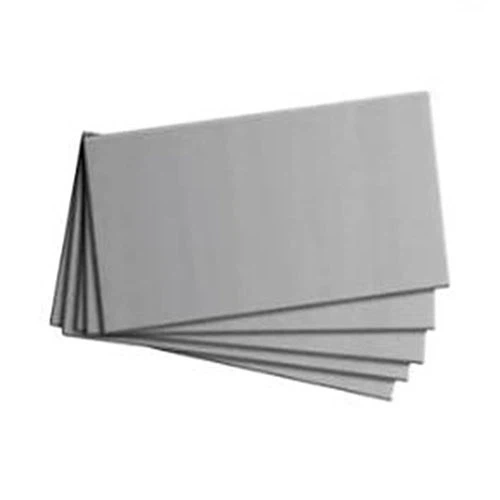
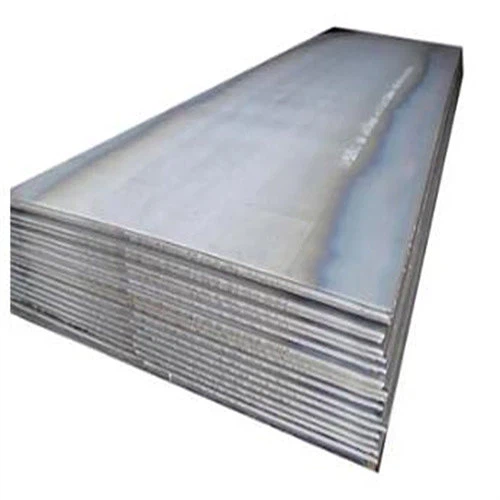
Before delving into the handling process, it's crucial to understand the unique characteristics of large-sized steel plates. These plates are typically heavy, bulky, and prone to damage if not handled properly. They come in various grades and specifications, such as S355 Steel, MS Steel Sheet, and Cold Rolled Carbon Steel Plate, each with its own set of properties and requirements.
Planning and Preparation
Proper planning is the key to successful handling of large-sized steel plates. Here are some steps to consider:
- Assess the Site: Before transporting or handling the steel plates, evaluate the site where they will be stored or used. Ensure that the area is flat, stable, and free of any obstacles that could cause damage to the plates or pose a safety hazard.
- Determine the Handling Equipment: Based on the size, weight, and shape of the steel plates, select the appropriate handling equipment. This may include cranes, forklifts, hoists, or specialized lifting devices. Make sure the equipment is in good working condition and rated for the weight and dimensions of the plates.
- Create a Handling Plan: Develop a detailed handling plan that outlines the specific steps and procedures for moving, lifting, and storing the steel plates. This plan should include safety measures, such as the use of personal protective equipment (PPE) and the implementation of proper lifting techniques.
- Train the Personnel: Ensure that all personnel involved in the handling process are properly trained and certified to operate the handling equipment. Provide them with comprehensive training on safety procedures, handling techniques, and the specific requirements of the steel plates.
Loading and Unloading
Loading and unloading large-sized steel plates require careful attention to detail to prevent damage and ensure safety. Here are some tips to follow:
- Use Proper Lifting Techniques: When lifting the steel plates, use appropriate lifting techniques, such as the use of slings, chains, or lifting magnets. Make sure the lifting points are evenly distributed and securely attached to the plates to prevent them from shifting or tipping during the lifting process.
- Avoid Overloading: Do not exceed the weight capacity of the handling equipment or the lifting points on the steel plates. Overloading can cause the equipment to fail or the plates to break, resulting in serious injuries or damage.
- Protect the Plates: During loading and unloading, take precautions to protect the steel plates from scratches, dents, or other forms of damage. Use padding or protective covers to prevent contact between the plates and the handling equipment or other surfaces.
- Secure the Plates: Once the steel plates are loaded onto the transport vehicle or storage rack, secure them firmly to prevent them from moving or shifting during transit or storage. Use straps, chains, or other securing devices to hold the plates in place.
Transportation
Transporting large-sized steel plates requires careful planning and coordination to ensure their safe and efficient delivery. Here are some considerations:
- Choose the Right Transport Vehicle: Select a transport vehicle that is suitable for the size, weight, and shape of the steel plates. Consider factors such as the vehicle's capacity, suspension, and braking system. Make sure the vehicle is in good working condition and meets all relevant safety standards.
- Secure the Plates on the Vehicle: When loading the steel plates onto the transport vehicle, secure them firmly to prevent them from moving or shifting during transit. Use straps, chains, or other securing devices to hold the plates in place. Make sure the plates are evenly distributed on the vehicle to maintain balance and stability.
- Follow Traffic Regulations: When transporting the steel plates, comply with all traffic regulations and safety standards. Observe speed limits, use proper signaling, and maintain a safe distance from other vehicles. Be aware of the height and width of the load and take appropriate precautions when passing under bridges, overpasses, or other structures.
- Monitor the Load: During transit, regularly monitor the load to ensure that the steel plates remain secure and in place. Check the securing devices periodically to make sure they are tight and in good condition. If any issues or concerns are detected, stop the vehicle immediately and take appropriate action.
Storage
Proper storage of large-sized steel plates is essential to prevent corrosion, damage, and deterioration. Here are some guidelines to follow:
- Store the Plates in a Dry and Ventilated Area: Steel plates should be stored in a dry and well-ventilated area to prevent moisture from accumulating and causing corrosion. Avoid storing the plates in areas prone to flooding, high humidity, or direct exposure to the elements.
- Use a Suitable Storage Rack: Use a sturdy and stable storage rack to support the steel plates. The rack should be designed to accommodate the size and weight of the plates and should be able to prevent them from sagging or bending. Make sure the rack is properly anchored to the floor to prevent it from tipping over.
- Separate the Plates: To prevent scratching or damage, separate the steel plates from each other using spacers or padding. This will also help to prevent the plates from sticking together and make it easier to access and handle them when needed.
- Inspect the Plates Regularly: Regularly inspect the steel plates for any signs of corrosion, damage, or deterioration. If any issues are detected, take appropriate action immediately to prevent further damage and ensure the quality of the plates.
Safety Considerations
Safety should always be the top priority when handling large-sized steel plates. Here are some important safety measures to follow:
- Wear Personal Protective Equipment (PPE): All personnel involved in the handling process should wear appropriate PPE, such as hard hats, safety glasses, gloves, and steel-toed boots. This will help to protect them from potential hazards, such as falling objects, sharp edges, or chemical exposure.
- Follow Safety Procedures: Establish and enforce strict safety procedures for all handling operations. This may include the use of safety signs, barriers, and warning devices to alert personnel to potential hazards. Make sure all personnel are aware of these procedures and follow them at all times.
- Conduct Regular Safety Inspections: Regularly inspect the handling equipment, storage facilities, and work areas for any safety hazards. Identify and address any issues or concerns immediately to prevent accidents and injuries.
- Provide Adequate Training and Supervision: Ensure that all personnel involved in the handling process receive comprehensive training on safety procedures, handling techniques, and the specific requirements of the steel plates. Provide them with ongoing supervision and support to ensure that they are following the safety procedures and using the equipment correctly.
Conclusion
Handling large-sized steel plates requires careful planning, proper equipment, and strict adherence to safety procedures. By following the tips and best practices outlined in this blog post, you can ensure the safe and efficient handling of your steel plates, minimize the risk of damage and accidents, and maintain the quality of your products.
If you're in the market for high-quality steel plates, I invite you to contact us to discuss your specific requirements. Our team of experts is dedicated to providing you with the best solutions and services to meet your needs. We look forward to working with you and helping you achieve your goals.
References
- American Society of Mechanical Engineers (ASME). (2019). B30.20 - Below - the - Hook Lifting Devices.
- Occupational Safety and Health Administration (OSHA). (2017). Cranes and Derricks in Construction.