


Hey there! I'm a supplier of Corten steel, and I'm super excited to take you through the process of how Corten steel is made. It's a fascinating journey from raw materials to the final product that's used in so many cool applications.
Starting with the Basics: Raw Materials
First things first, let's talk about the raw materials. Corten steel, also known as weathering steel, starts with a base of carbon steel. Carbon steel is like the building block for Corten. It's made up of iron and carbon, with small amounts of other elements. You can check out more about Carbon Steel Sheet to get a better idea of what I'm talking about.
The key difference between regular carbon steel and Corten steel lies in the additional alloying elements. These elements are what give Corten steel its unique properties. The main alloying elements in Corten steel include copper, chromium, nickel, and phosphorus. Each of these elements plays a crucial role in the steel's performance.
The Melting Process
Once we've got our raw materials sorted, it's time to start melting them down. The melting process takes place in a large furnace. We load the carbon steel and the alloying elements into the furnace, and then heat it up to extremely high temperatures. The furnace can reach temperatures of around 1,600 degrees Celsius! That's hot enough to turn solid metal into a molten liquid.
During the melting process, the different elements start to mix together. The heat breaks down the atomic bonds in the metals, allowing them to combine and form a new alloy. This alloy is the foundation of Corten steel. The furnace operators carefully monitor the temperature and the composition of the molten metal to ensure that it meets the required specifications.
Refining the Molten Metal
After the melting process, the molten metal isn't quite ready yet. It needs to be refined to remove any impurities. Impurities can affect the quality and performance of the steel, so it's important to get rid of them. There are several methods used to refine the molten metal, but one of the most common is the basic oxygen furnace (BOF) process.
In the BOF process, pure oxygen is blown into the molten metal. The oxygen reacts with the impurities, such as sulfur and phosphorus, to form oxides. These oxides can then be easily removed from the metal. The BOF process is very efficient and can significantly improve the quality of the steel.
Another method used for refining is the electric arc furnace (EAF) process. In the EAF process, an electric arc is used to heat the metal. This process is often used for recycling scrap steel. Scrap steel is melted down in the EAF, and then the alloying elements are added to create Corten steel. The EAF process is more energy-efficient than the BOF process and is a great way to reduce waste.
Casting the Steel
Once the molten metal has been refined, it's time to cast it into the desired shape. There are several casting methods available, but the most common one for Corten steel is continuous casting. In continuous casting, the molten metal is poured into a water-cooled mold. As the metal cools and solidifies, it is continuously pulled out of the mold in the form of a long slab or billet.
Continuous casting is a very efficient process that allows for the production of large quantities of steel. The slabs or billets produced by continuous casting can then be further processed into different shapes, such as sheets, plates, or bars.

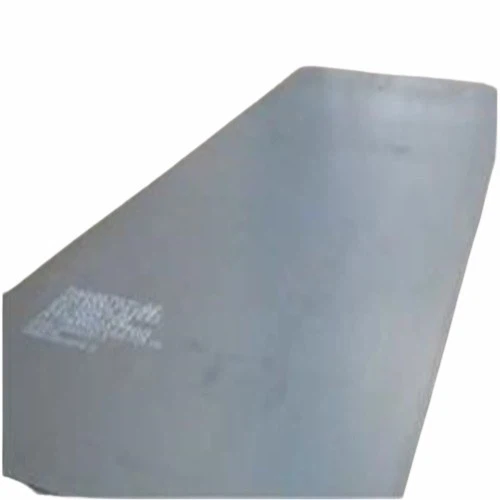
Rolling the Steel
After casting, the steel needs to be rolled to achieve the desired thickness and shape. Rolling is a process where the steel is passed through a series of rollers to reduce its thickness and increase its length. There are two main types of rolling: hot rolling and cold rolling.
Hot rolling is done at high temperatures, usually above 900 degrees Celsius. In hot rolling, the steel is more malleable and can be easily shaped. The hot-rolled steel has a rough surface finish and is often used for structural applications.
Cold rolling, on the other hand, is done at room temperature. Cold rolling produces a smoother surface finish and a more precise thickness. Cold-rolled steel is often used for applications where a high-quality surface finish is required, such as in the automotive industry.
Heat Treatment
Heat treatment is an important step in the production of Corten steel. Heat treatment can improve the mechanical properties of the steel, such as its strength and toughness. There are several heat treatment methods available, but the most common one for Corten steel is normalizing.
Normalizing involves heating the steel to a specific temperature and then allowing it to cool in air. This process helps to relieve internal stresses in the steel and improve its microstructure. Normalized Corten steel has better mechanical properties and is more resistant to corrosion.
Surface Treatment
One of the most unique features of Corten steel is its ability to develop a protective rust layer on its surface. This rust layer, also known as patina, acts as a barrier against further corrosion. However, to ensure that the patina forms evenly and quickly, the steel may undergo a surface treatment.
Surface treatment can involve cleaning the steel to remove any dirt or oil, and then applying a special coating or treatment to promote the formation of the patina. The surface treatment can also help to enhance the appearance of the steel.
Quality Control
Throughout the entire manufacturing process, quality control is of utmost importance. We have strict quality control measures in place to ensure that every batch of Corten steel meets the highest standards. Quality control starts with the raw materials and continues through every stage of production, from melting to finishing.
We use a variety of testing methods to check the quality of the steel. These methods include chemical analysis, mechanical testing, and non-destructive testing. Chemical analysis is used to determine the composition of the steel and ensure that it meets the required specifications. Mechanical testing is used to evaluate the strength and toughness of the steel. Non-destructive testing, such as ultrasonic testing and magnetic particle testing, is used to detect any internal defects in the steel.
Applications of Corten Steel
Now that you know how Corten steel is made, let's talk about some of its applications. Corten steel is a popular choice for a wide range of applications due to its unique properties. It's often used in architectural and construction projects, such as building facades, bridges, and sculptures. The natural rusty appearance of Corten steel gives it a distinctive and industrial look that many architects and designers love.
Corten steel is also used in the manufacturing of Wear Resistant Steel. Its high strength and resistance to corrosion make it an ideal material for applications where wear and tear are a concern, such as in mining equipment and agricultural machinery.
Contact Us for Corten Steel
If you're interested in purchasing Corten steel for your project, I'd love to hear from you. We're a reliable supplier of high-quality Corten steel, and we can provide you with the right product for your needs. Whether you need a small quantity for a DIY project or a large order for a commercial project, we've got you covered.
So, don't hesitate to reach out to us. We're here to answer any questions you may have and to help you find the perfect Corten steel solution for your project.
References
- "The Making of Steel," American Iron and Steel Institute.
- "Corten Steel: Properties and Applications," Steel Construction Institute.
- "Introduction to Metallurgy," Open University.