


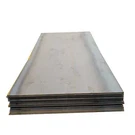
Hey there! As a steel plate supplier, I often get asked if steel plates can be used in aerospace applications. Well, let's dive right into this topic and find out.
First off, aerospace applications are super demanding. They require materials that can withstand extreme conditions, like high temperatures, intense pressures, and rapid changes in environment. So, can steel plates cut it?


Steel has been around for ages and is known for its strength and durability. There are different types of steel plates that we offer, each with its own set of properties. For example, the Q235 Steel Plate is a common carbon steel plate. It's got good strength and is relatively easy to work with. But when it comes to aerospace, we need to look at some of its limitations.
One of the main challenges with using steel in aerospace is its weight. Steel is denser compared to some other materials like aluminum and titanium. In aerospace, every pound matters because it affects fuel efficiency and overall performance. A heavier aircraft needs more fuel to fly, which can be a big drawback in terms of cost and environmental impact.
However, that doesn't mean steel plates have no place in aerospace. In some cases, their high strength can be a real advantage. For instance, in certain structural components where the weight isn't as critical, steel plates can provide the necessary support. Take the landing gear of an aircraft. It needs to be incredibly strong to handle the impact of landing and takeoff. Steel plates can be used here because the strength requirements outweigh the weight concerns.
Another type of steel plate we offer is the Cold Rolled Carbon Steel Plate. Cold rolling gives the steel a smoother surface finish and better dimensional accuracy. This can be beneficial in aerospace applications where precision is key. For example, in manufacturing small, intricate parts, the cold-rolled steel plate can be machined to very tight tolerances.
But again, we come back to the weight issue. To overcome this, some aerospace engineers are looking at using advanced steel alloys. These alloys are designed to have a better strength-to-weight ratio. By adding elements like chromium, nickel, and molybdenum, the properties of the steel can be tailored to meet the specific needs of aerospace applications.
Now, let's talk about Marine Steel Plate. You might be wondering what marine steel has to do with aerospace. Well, marine steel is designed to resist corrosion in harsh saltwater environments. In aerospace, there are also situations where corrosion resistance is important, especially in parts that are exposed to moisture or chemicals.
For example, in some aerospace components that are used in coastal areas or in environments with high humidity, the corrosion resistance of marine steel plates can be a valuable asset. It helps to extend the lifespan of the parts and reduces the need for frequent maintenance.
In addition to strength, weight, and corrosion resistance, there are other factors to consider when using steel plates in aerospace. One of them is the ability to withstand fatigue. Aircraft go through countless cycles of takeoff, flight, and landing, which can cause stress on the materials. Steel plates need to be able to handle these cyclic loads without cracking or failing.
Another aspect is the temperature resistance. During flight, the temperature of different parts of the aircraft can vary widely. Some areas may experience very high temperatures due to friction with the air, while others may be exposed to extremely cold temperatures at high altitudes. Steel plates need to maintain their properties over this wide temperature range.
So, while steel plates do face some challenges in aerospace applications, they also have some unique advantages. It really depends on the specific requirements of each project. In some cases, they can be a cost-effective and reliable solution.
If you're in the aerospace industry and are considering using steel plates for your projects, I'd love to have a chat with you. We can discuss your specific needs and see how our range of steel plates can fit into your designs. Whether it's for structural components, small parts, or corrosion-resistant applications, we've got the expertise and the products to help you out.
Reach out to us to start a conversation about your aerospace steel plate requirements. We're here to provide you with the best solutions and support you throughout the procurement process.
References
- ASM Handbook, Volume 1: Properties and Selection: Irons, Steels, and High-Performance Alloys
- Aerospace Materials and Processes Handbook