


Can Corten Steel be used in marine environments?
Hey there! I'm a supplier of Corten steel, and I often get asked if Corten steel can be used in marine environments. It's a great question, and one that I'm more than happy to dive into.
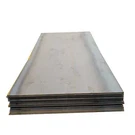
First off, let's talk a bit about what Corten steel is. Corten steel, also known as weathering steel, is a group of steel alloys that were developed to eliminate the need for painting. When exposed to the elements, Corten steel forms a stable rust - like appearance on its surface. This layer, called a patina, acts as a protective barrier against further corrosion.
Now, the marine environment is a whole different ballgame. It's characterized by high humidity, saltwater spray, and constant exposure to harsh weather conditions. Saltwater is extremely corrosive because it contains ions that accelerate the corrosion process. Metals in the marine environment are constantly at risk of pitting, crevice corrosion, and general surface degradation.
So, can Corten steel hold up in this tough environment? Well, it's a bit of a mixed bag.
On the positive side, the patina that forms on Corten steel can offer some level of protection in marine settings. The patina is supposed to slow down the corrosion rate by acting as a barrier between the steel and the surrounding environment. In some less severe marine areas, like those with occasional salt spray but not constant immersion in saltwater, Corten steel can perform reasonably well. For example, in coastal areas where the wind blows in from the sea and deposits a light layer of salt on structures, Corten steel can maintain its integrity for a certain period.
However, there are some significant drawbacks when it comes to using Corten steel in full - blown marine environments. The high salt content in seawater can break down the protective patina. Salt ions can penetrate the patina layer and cause pitting corrosion. Once pitting starts, it can spread rapidly, leading to structural weakness. Also, in areas with high tidal action or where the steel is constantly submerged in saltwater, the corrosion process can be too aggressive for the patina to handle.
Another factor to consider is the location within the marine environment. If the Corten steel is placed in an area with poor drainage, water can accumulate on its surface. This stagnant water, especially if it's salt - laden, can accelerate corrosion. Similarly, if the steel is in an area with low oxygen levels, such as in deep water or under a layer of sediment, the corrosion mechanism can change, and the protective patina may not form or function as intended.
Now, let's talk about some alternatives. If you're in a marine environment and need a more corrosion - resistant option, there are other types of steel that might be a better fit. For instance, Wear Resistant Steel is designed to withstand harsh conditions, including those in the marine world. It has a different alloy composition that gives it better resistance to abrasion and corrosion. Another option is Carbon Steel Sheet, which can be treated with special coatings to enhance its corrosion resistance in marine environments.
Despite these limitations, there are still cases where Corten steel can be used in marine - related projects. For decorative purposes, like in coastal art installations or some non - load - bearing structures near the sea, Corten steel can add an interesting aesthetic. Its rusty appearance can blend well with the natural coastal scenery.
If you're considering using Corten steel in a marine environment, it's crucial to do a thorough risk assessment. You need to evaluate the specific conditions of the site, including the salt concentration, tidal patterns, and exposure to other environmental factors. In some cases, you might be able to take steps to mitigate the corrosion risk. For example, you could apply a protective coating on top of the Corten steel. This coating can provide an extra layer of protection against the corrosive effects of saltwater. However, this adds to the cost and maintenance requirements.
In conclusion, while Corten steel has its advantages in normal weathering conditions, using it in marine environments is a complex decision. It can work in some less severe coastal situations, but in full - on marine settings, it may not be the most reliable choice. If you're still interested in using Corten steel in a marine project, I'd be more than happy to discuss your specific needs. We can go over the details of your site and see if there are ways to make it work.


If you're in the market for steel products, whether it's Corten steel or exploring other options like the ones I mentioned earlier, don't hesitate to reach out. I'm here to help you make the best decision for your project. Contact me for more information and let's start a conversation about your steel requirements.
References
- "Corrosion of Metals in Marine Environments" - A comprehensive study on metal corrosion in marine settings published by a leading materials research institute.
- "Weathering Steel: Properties and Applications" - A research paper that delves into the characteristics and performance of Corten steel in different environments.