


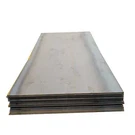
Hey there! As a Corten steel supplier, I often get asked if Corten steel can be used for bridges. Well, let's dig into this topic and find out.
First off, what exactly is Corten steel? Corten steel, also known as weathering steel, is a group of steel alloys which were developed to eliminate the need for painting, and form a stable rust - like appearance if exposed to the weather for several years. This unique characteristic is what makes it a really interesting option for bridge construction.
One of the biggest advantages of using Corten steel for bridges is its corrosion resistance. Traditional steel bridges require regular painting and maintenance to prevent rust and corrosion. This not only costs a lot of money but also takes up a significant amount of time. Corten steel, on the other hand, forms a protective patina over time. This patina acts as a barrier, preventing further corrosion. It's like the steel is protecting itself! For example, in a coastal area where the air is salty and humid, a regular steel bridge would start showing signs of rust pretty quickly. But a Corten steel bridge would develop that protective layer and stay in good shape for a long time.
Another plus is its aesthetic appeal. The rust - colored patina that Corten steel develops gives bridges a distinctive and industrial look. It can blend well with the natural environment, especially in areas like parks or near bodies of water. Some architects and designers really love this look as it adds a sense of character and history to the bridge. It's not just a functional structure; it becomes a piece of art.
When it comes to strength, Corten steel is no slouch. It has similar strength properties to regular structural steel. This means it can handle the weight of traffic, pedestrians, and the forces exerted on a bridge. Whether it's a small footbridge or a large highway bridge, Corten steel can provide the necessary support.
However, there are also some considerations when using Corten steel for bridges. One of the main issues is the initial formation of the patina. In the first few years, the steel can experience uneven rusting. This might not look very appealing and could also cause some staining on the surrounding area. To mitigate this, some engineers and contractors use special treatments to speed up the patina formation and make it more uniform.
Another thing to think about is the location of the bridge. In areas with high levels of pollution, especially sulfur - based pollutants, the patina formation might be affected. The pollutants can react with the steel and prevent the proper formation of the protective layer. So, it's important to assess the environmental conditions before deciding to use Corten steel for a bridge.
Now, let's talk about the cost. While Corten steel might seem more expensive upfront compared to regular steel, when you factor in the long - term savings on painting and maintenance, it can actually be a cost - effective option. Over the lifespan of a bridge, the money saved on maintenance can be quite substantial.
If you're in the market for steel for your bridge project, you might also be interested in related products. Check out Wear Resistant Steel and Carbon Steel Sheet. These products can also have applications in bridge construction and other infrastructure projects.
In conclusion, Corten steel can definitely be used for bridges. It offers many benefits in terms of corrosion resistance, aesthetics, and long - term cost savings. But like any material, it has its pros and cons. You need to carefully consider the specific requirements of your bridge project, including the location, environmental conditions, and budget.
If you're thinking about using Corten steel for your next bridge project, I'd love to chat with you. We can discuss your needs in detail and figure out the best solution for you. Whether you're an architect, engineer, or contractor, I'm here to help you make the right choice. Don't hesitate to reach out and start the conversation about your Corten steel procurement.
References

- "Steel Bridges: Conceptual Design and Load - Resistance Factor Design" by S. S. Sabol
- "Weathering Steel in Bridge Construction" by the American Iron and Steel Institute